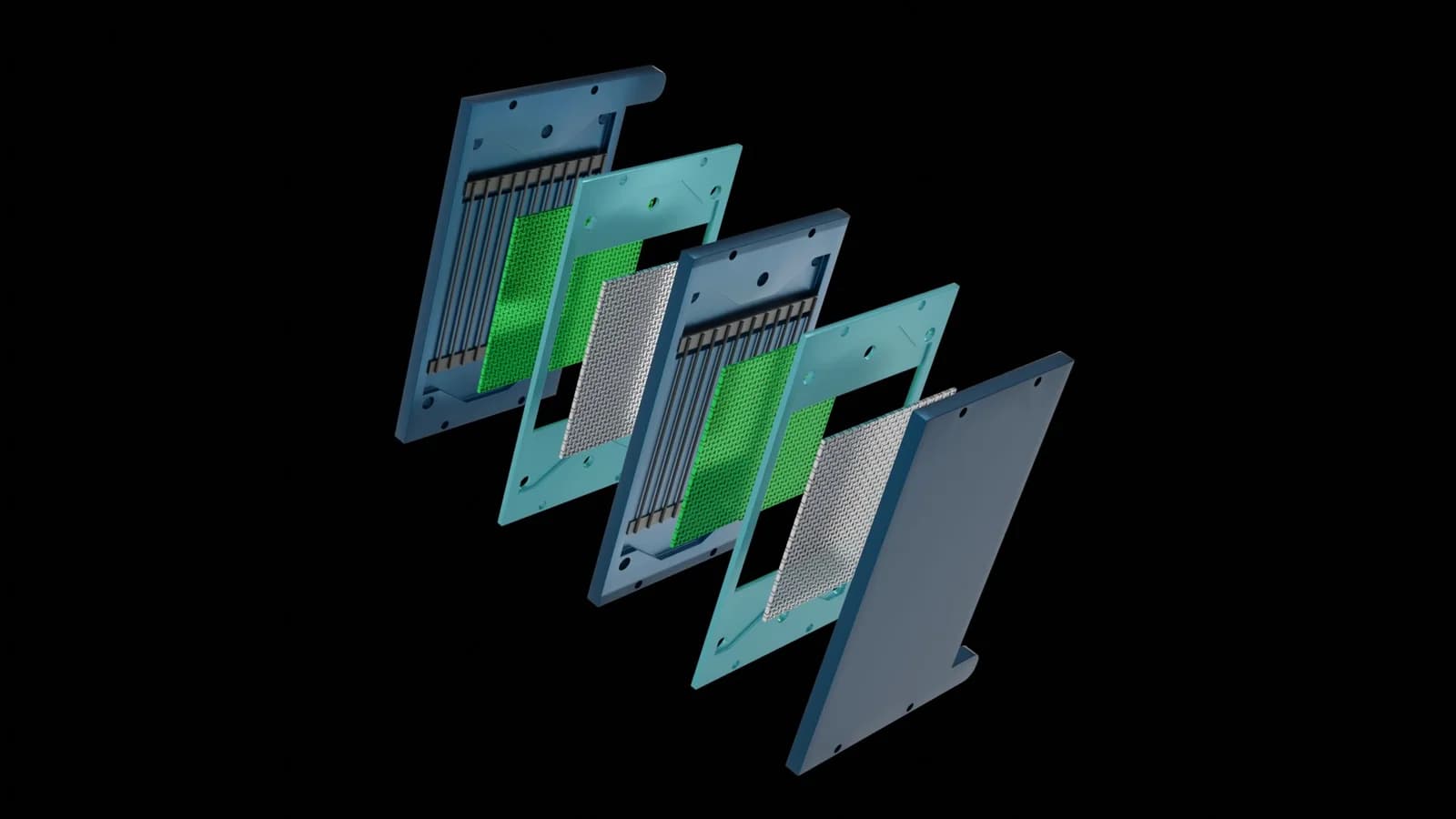
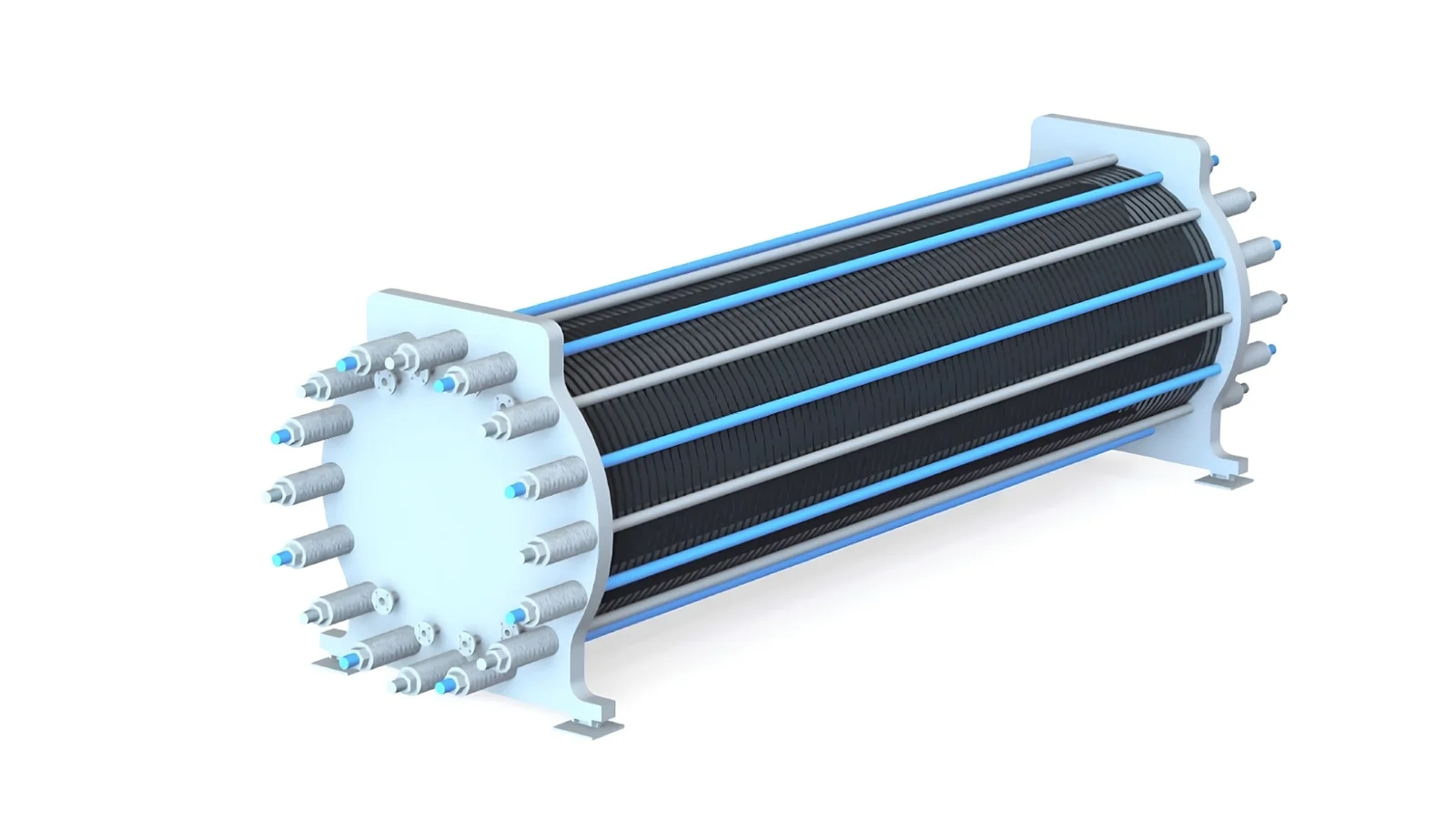
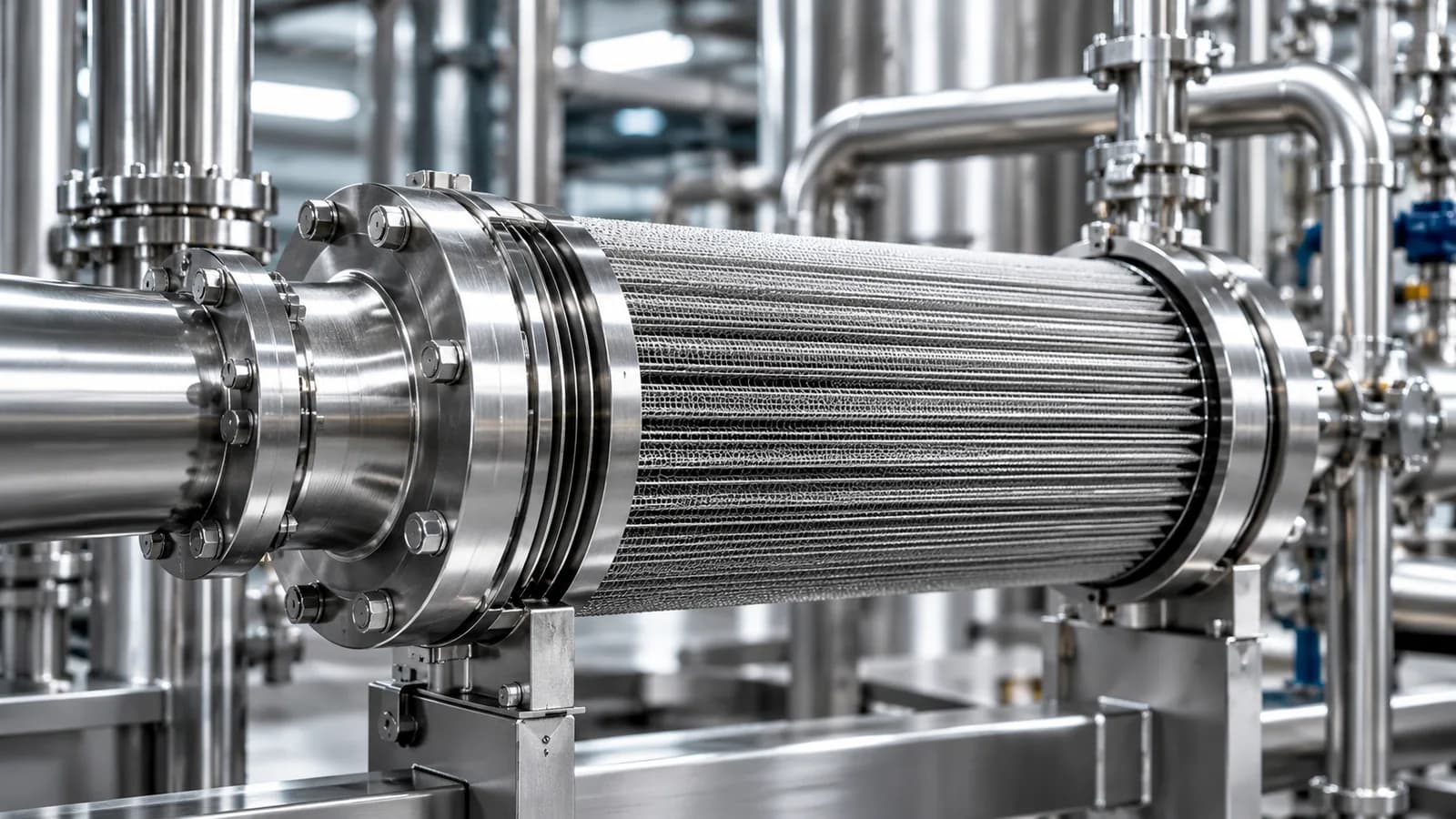
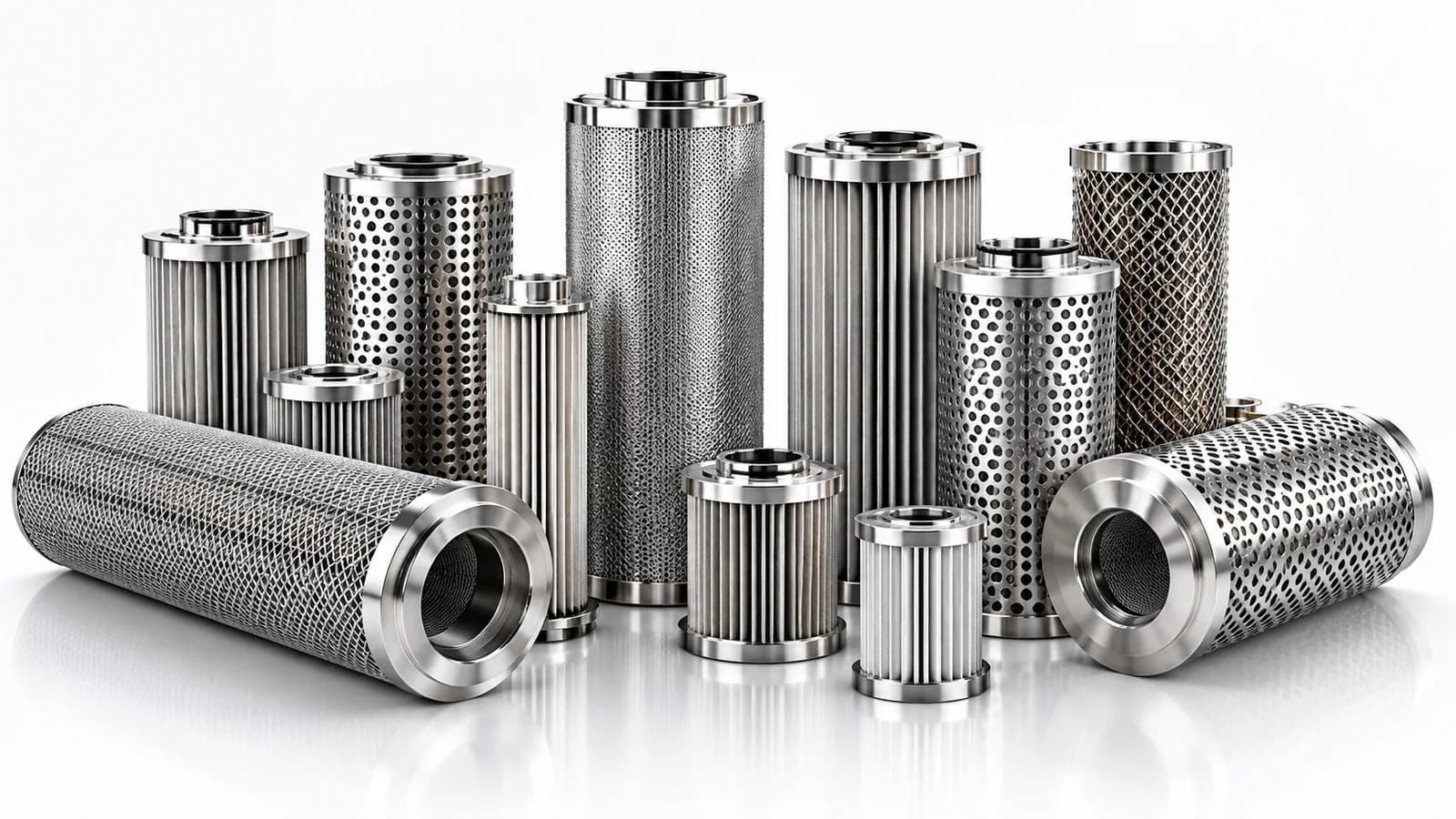
Woven mesh gives a precise, stable opening. Knitted mesh gives flexibility and compressibility. Here is how each is made and where each one belongs.
Both are made from wire, and both are sold as metal mesh, but woven and knitted constructions behave very differently once they are in a stack, a housing or a separator. Understanding the difference saves a redesign later.
How woven mesh is made
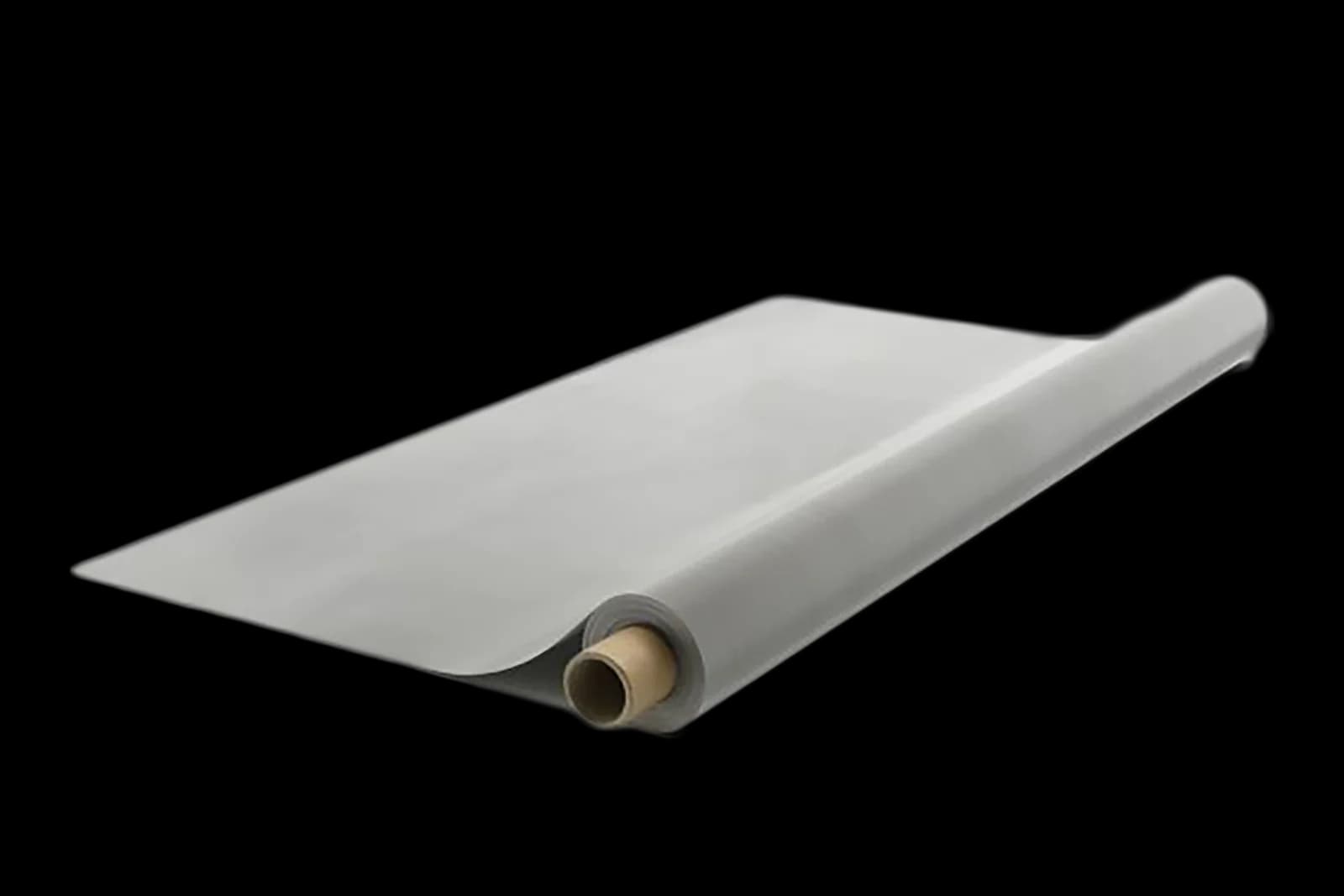
Woven mesh is produced on a loom. Warp wires run along the length and weft wires cross them, locking at every intersection. Plain, twill and Dutch weaves change how tightly the wires pack and therefore how fine and how strong the finished cloth is.
What you get: a controlled, repeatable aperture, good dimensional stability and a surface that supports rated filtration and electrode work.
How knitted mesh is made
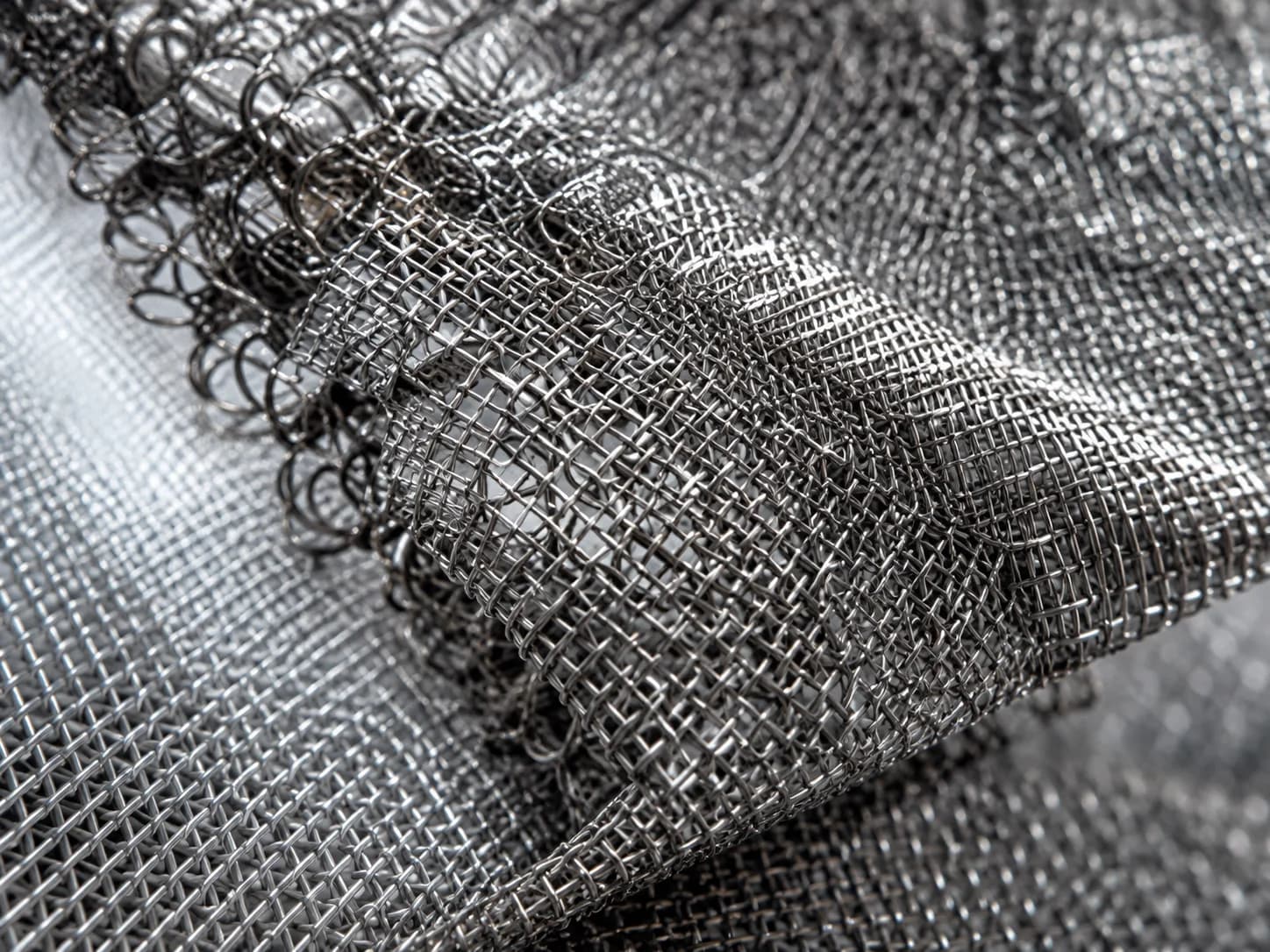
Knitted mesh is formed from interlocking loops of a single wire or several wires, in the same way a stocking is knitted. The loops can slide against each other.
What you get: a flexible, elastic and compressible structure that can be shaped into tubes, corrugated forms or large single pieces, and that holds a springy, open structure under load.
Where each one is used
| Need |
Woven |
Knitted |
| Rated filtration and screening |
Preferred |
Less common |
| Electrode and catalyst support |
Common |
Common |
| Gas-liquid separation and demisting |
Less common |
Preferred |
| Elastic, compressible elements in stacks |
Limited |
Preferred |
| Formed parts and large single pieces |
Cut and joined |
Knitted to shape |
The practical decision
- If the opening size must be tightly controlled, start with woven.
- If the mesh must flex, spring or fill a volume, start with knitted.
- If it must do both, talk to an engineer; hybrid constructions and surface treatments can bridge the gap.
BVK Hydrotech makes both. Explore woven mesh solutions and knitted mesh solutions, or see how they feed into industrial filtration.