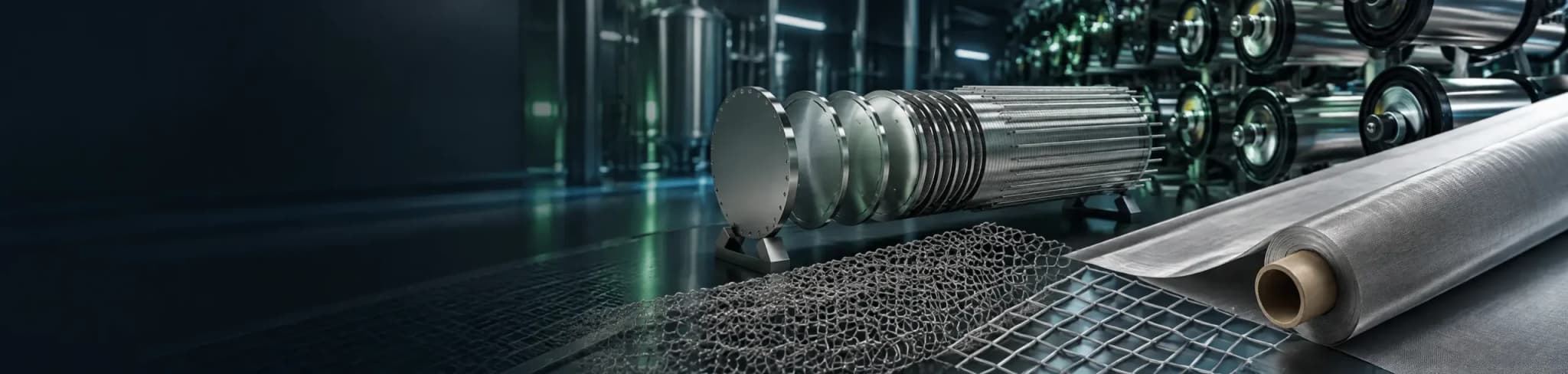
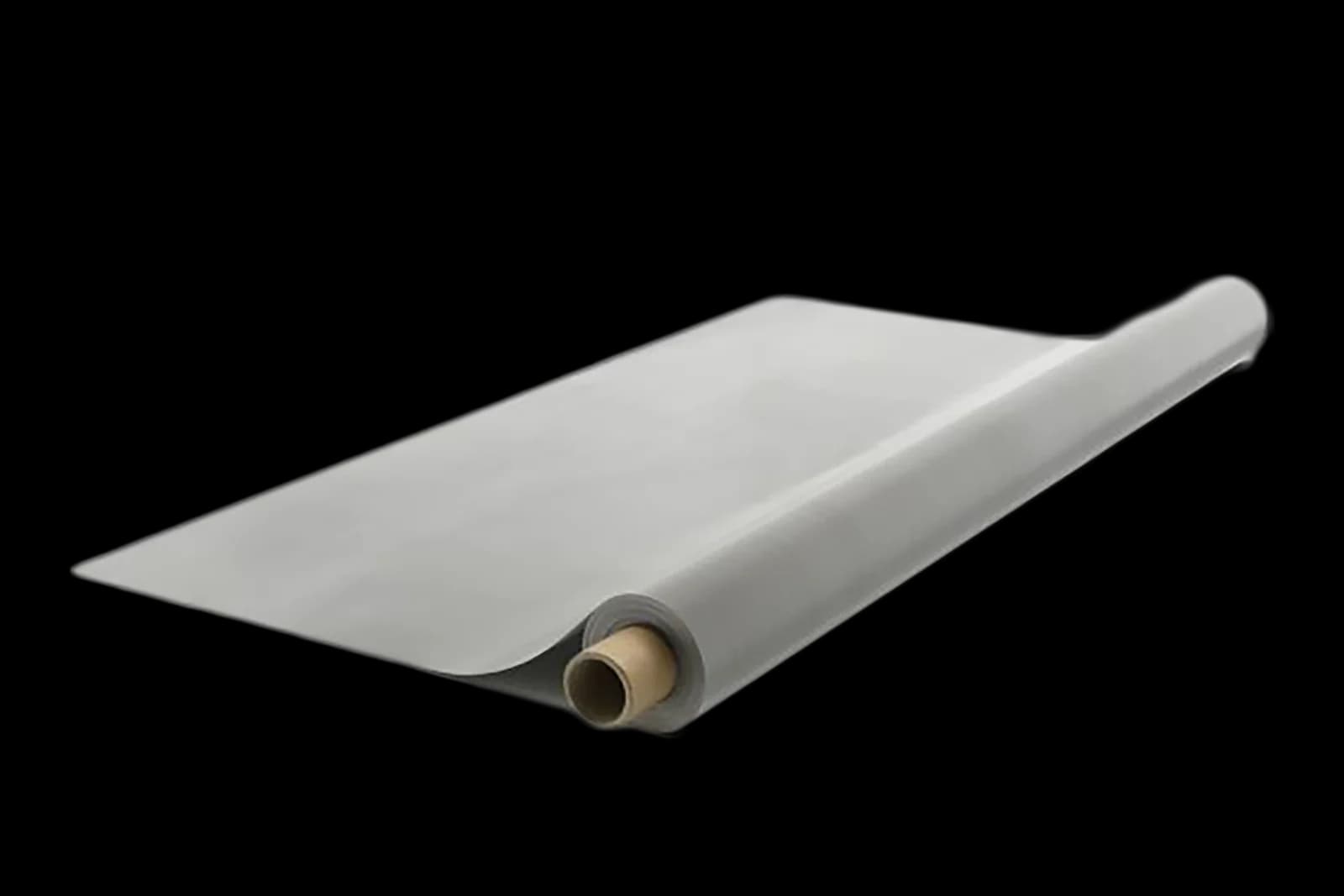
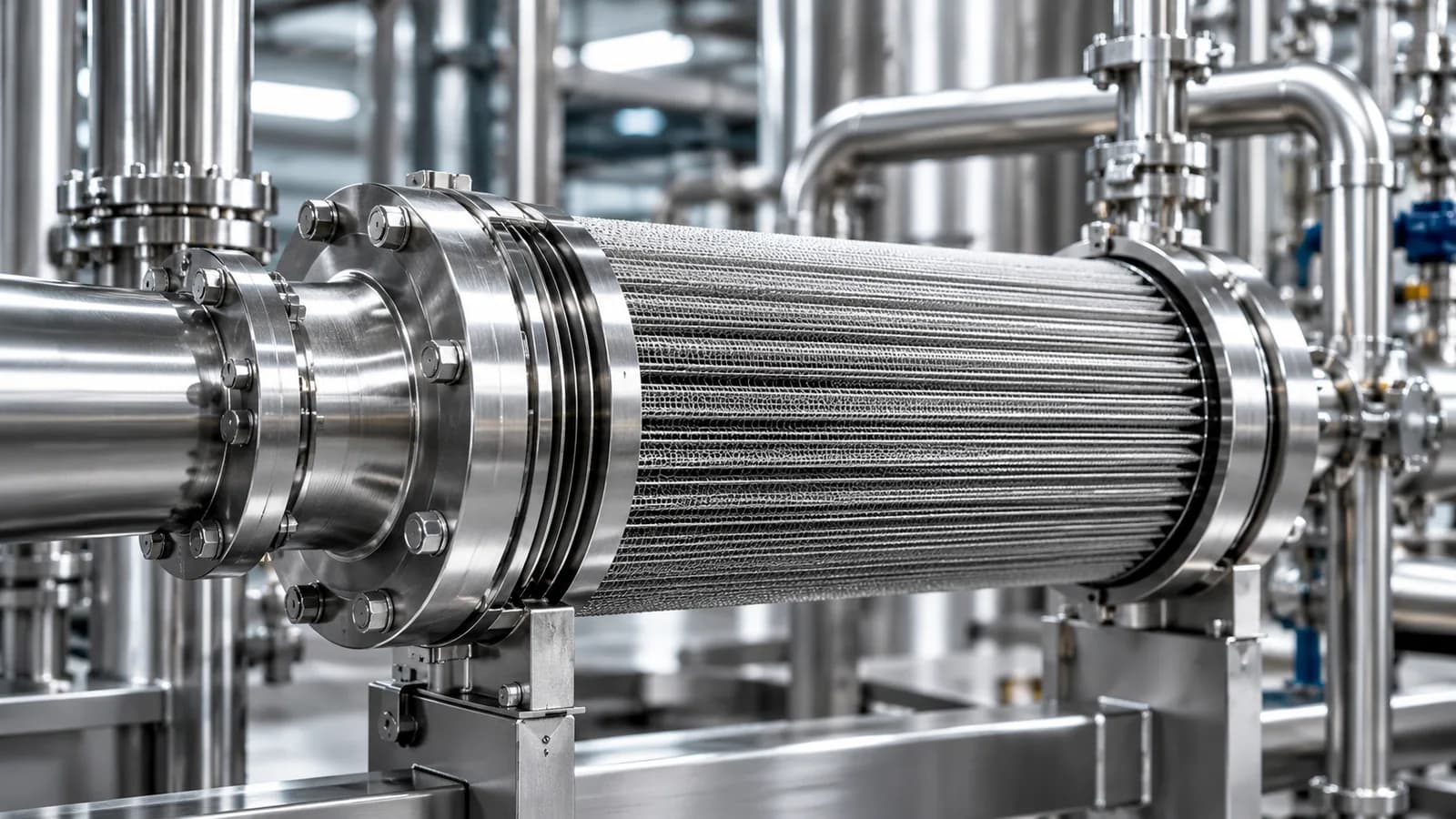
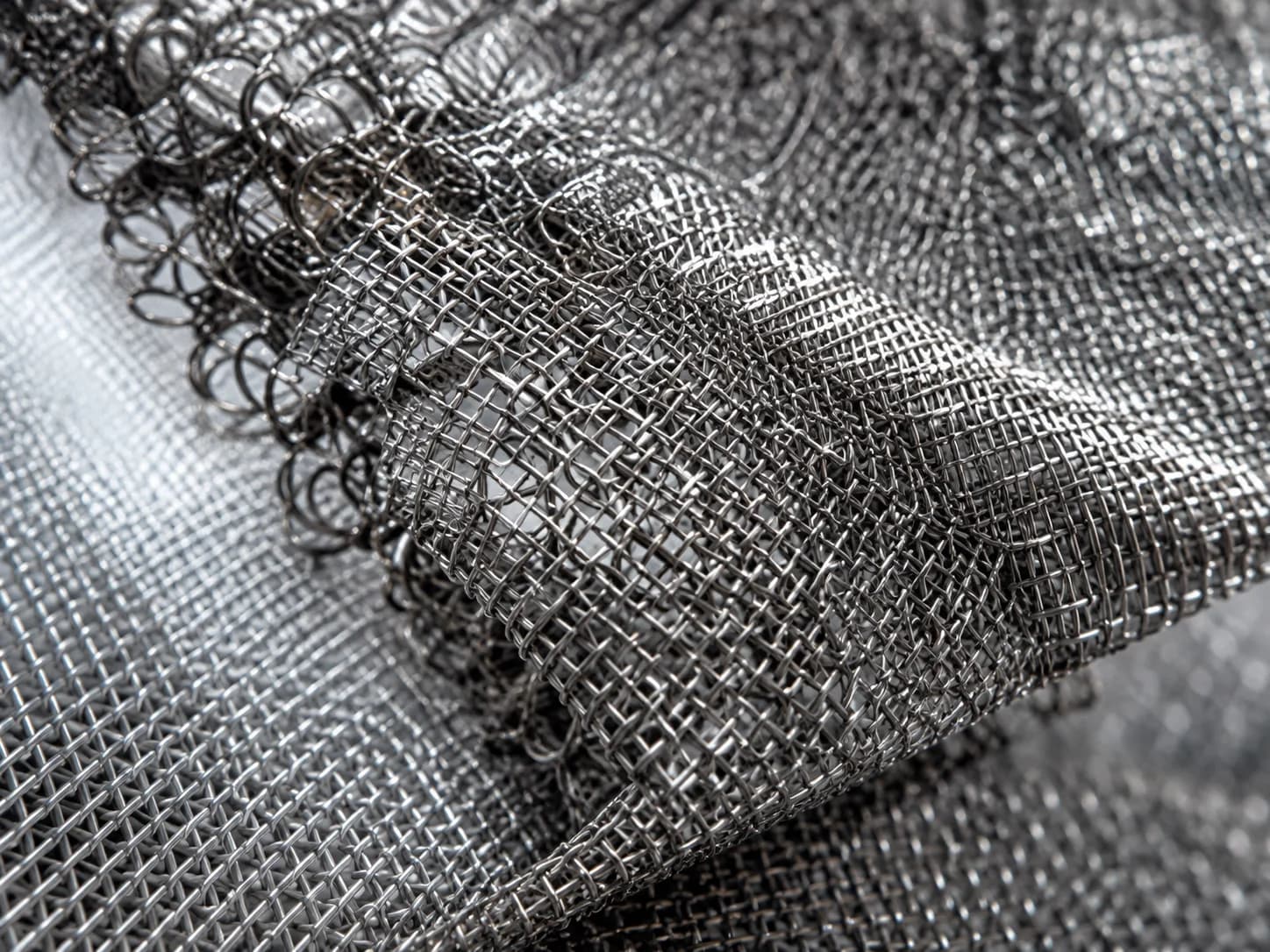
Nickel 201 and 202 mesh is widely used in alkaline electrolysers as electrode substrate and elastic element. See why nickel suits caustic service.
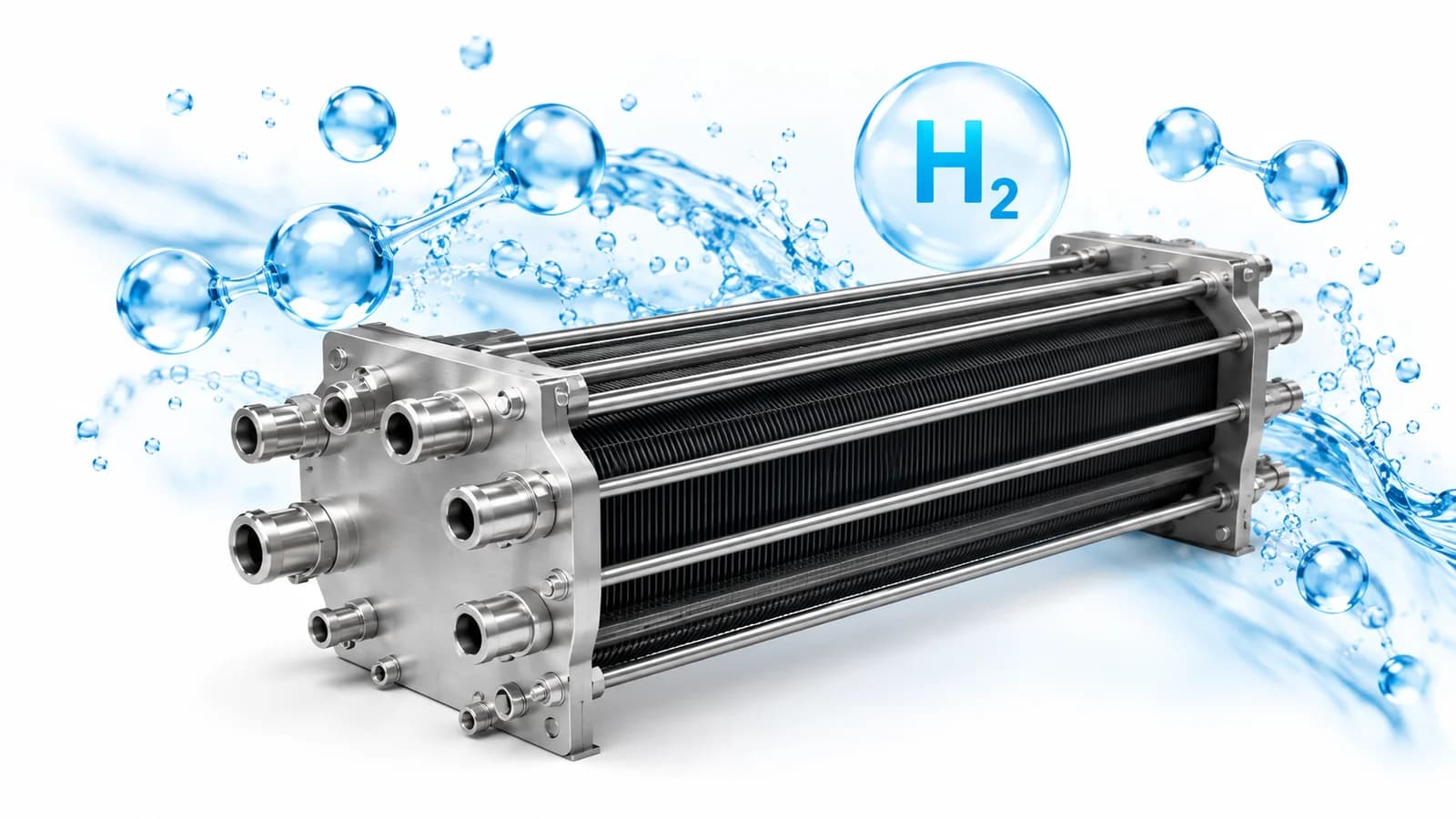
Alkaline water electrolysis is the most established route to green hydrogen. It uses a strongly alkaline electrolyte, and nickel is the metal that copes with it best at a sensible cost.
Why nickel
Nickel is highly resistant to caustic solutions, conducts electricity well and supports good catalytic behaviour for the reactions at the electrodes. That combination makes it the default material for electrodes and cell internals in alkaline systems.
Ni 201 versus Ni 202
Both are commercially pure nickel designations. Ni 201 is the low-carbon grade, and the low carbon limit protects it from graphite precipitation and embrittlement at sustained high temperatures. Your supplier should confirm the exact grade and composition that suits your operating window.
Where nickel mesh is used in the cell
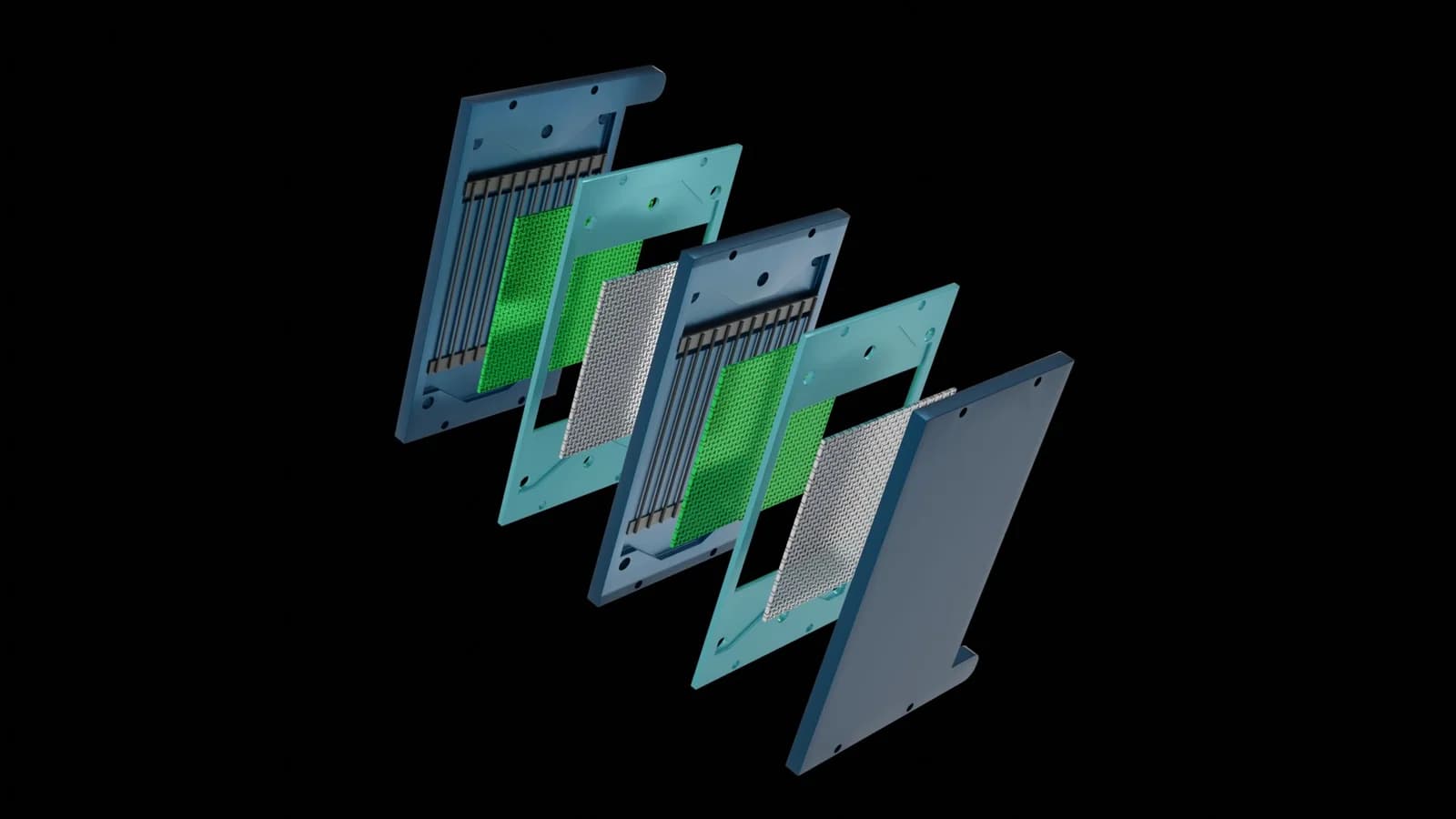
- Electrode substrate. Woven or expanded nickel carries the catalyst coating and offers a large surface.
- Elastic and current-collecting elements. Knitted or corrugated nickel mesh keeps electrical contact across the stack.
- Separator support and gas-liquid management. Open mesh layers help bubbles escape and electrolyte circulate.
Selection points
- Wire diameter: finer wire gives more surface; thicker wire gives stiffness and life.
- Mesh geometry: aperture and weave control porosity and bubble release.
- Surface condition: cleanliness matters, and a catalyst coating needs a consistent surface to adhere to.
- Annealing: controls hardness and springback.
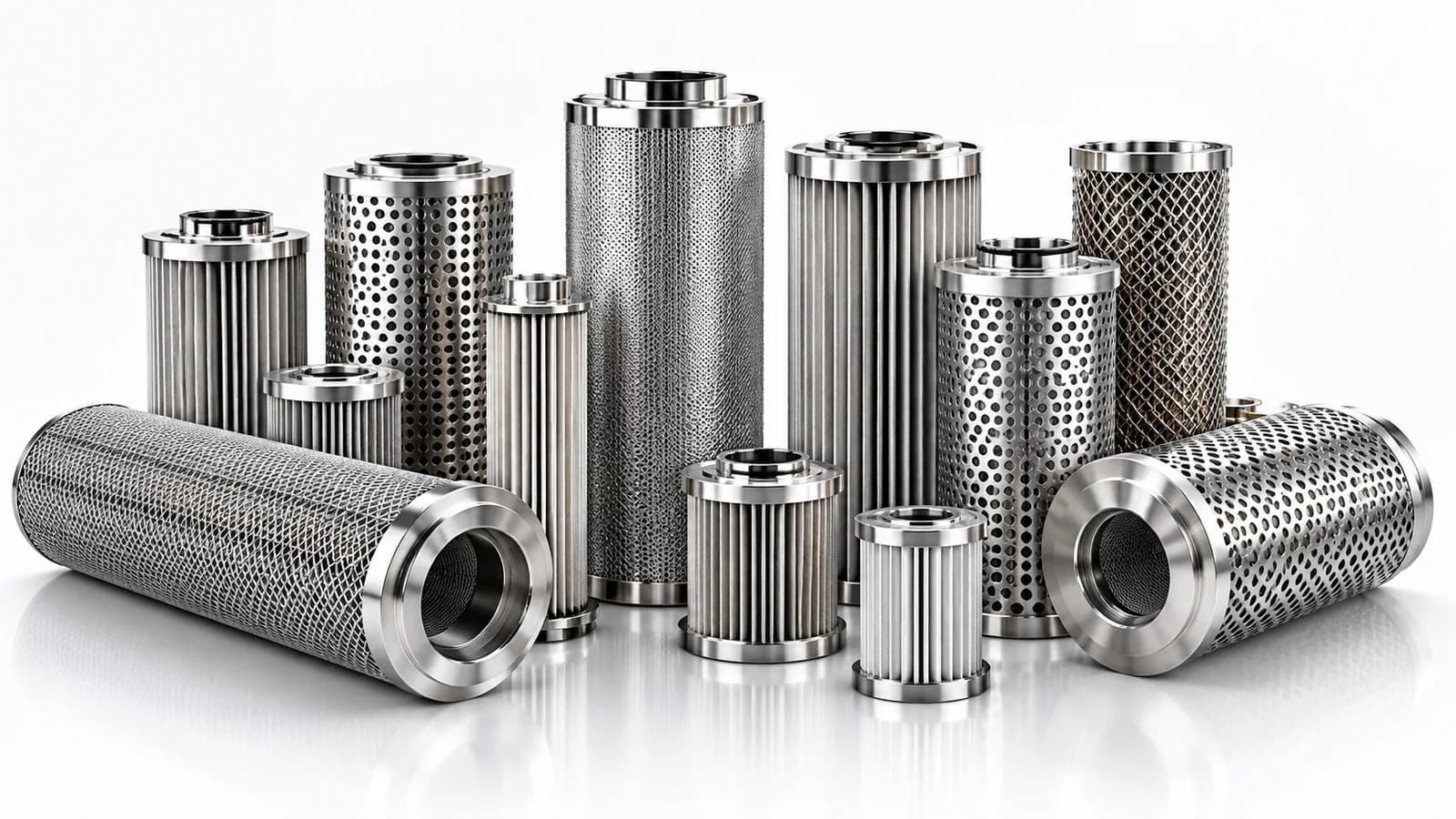
- Form and size: match the cell frame, and prefer fewer joints in the active area.
Beyond the mesh
Traceability matters in a component that is expected to run for years. Ask for batch and material documentation. Our electrolyser solutions page covers the materials and processes BVK Hydrotech applies, and the knitted mesh in electrolysers article explains the elastic-element role.