Custom mesh quotes are slow when the request is vague. A complete RFQ lets engineers recommend a construction, check manufacturability and quote with confidence in one round instead of five.
The checklist
1. Application and duty
- What is the mesh for: filtration, electrode support, gas diffusion, separation, a protective screen or something else?
- What fluid or gas will it see, and at what temperature and pressure?
- What must it retain, pass or conduct?
2. Material
- Preferred alloy, or the chemical environment so we can recommend one.
- Any standards or approvals the material must meet.
3. Mesh construction
- Woven or knitted, if known.
- Wire diameter, opening size or mesh count, and any porosity or permeability target.
4. Form and dimensions
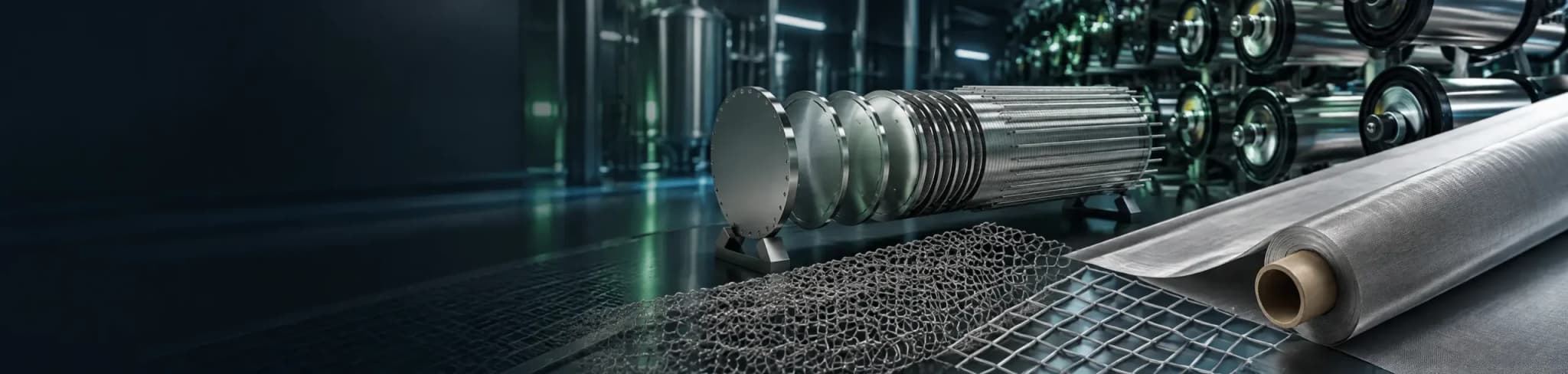
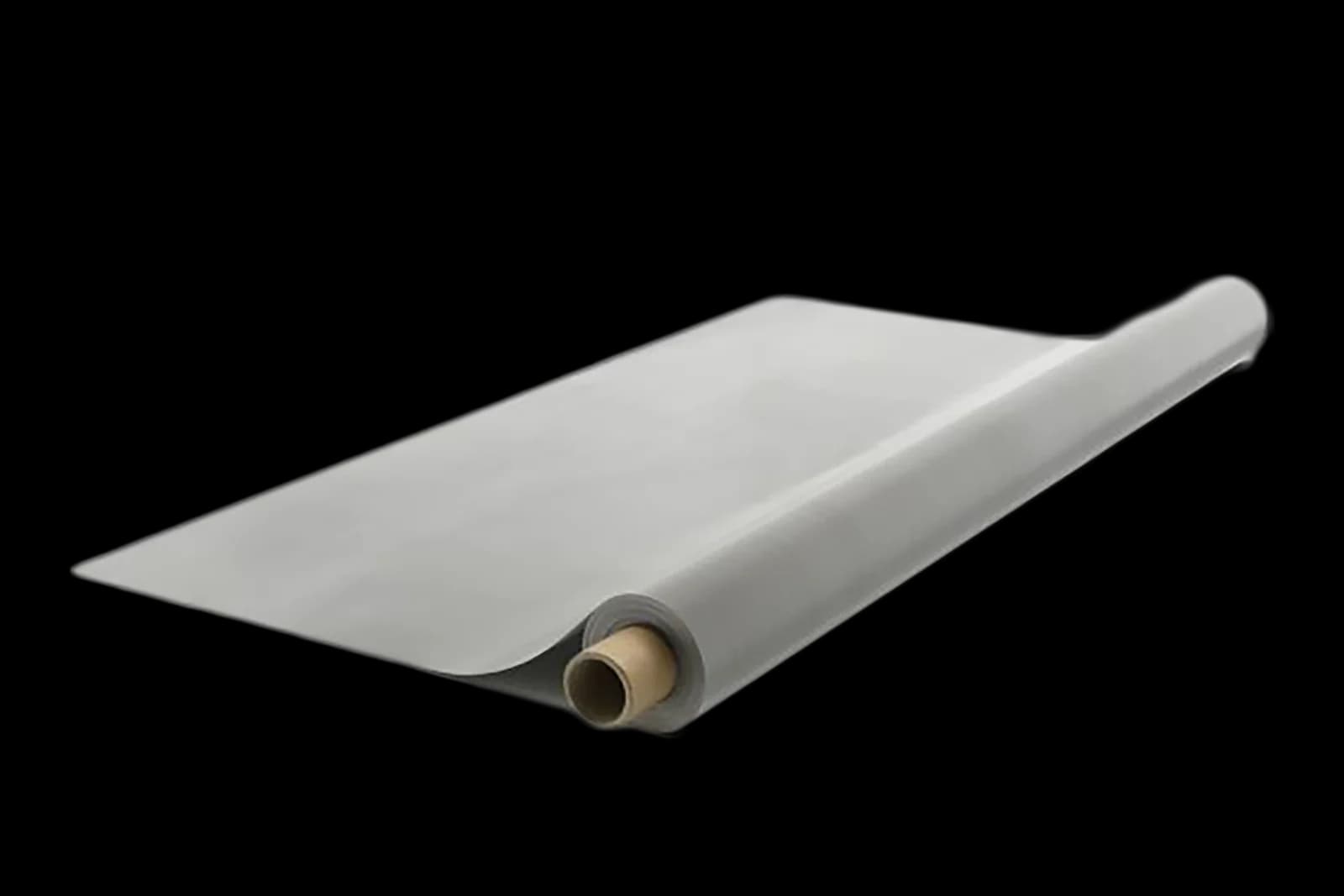
- Roll, sheet, disc, tube, cartridge or formed part.
- Width, length, diameter and thickness, with tolerances.
- Any corrugation, laser-cut outline or edge treatment.
5. Treatments and cleanliness
- Annealing, coating, cleaning or other finishing.
- Cleanliness or contamination limits for sensitive assemblies.
6. Quantity and timeline
- Prototype, sample, pilot or production volume, and the repeat rate.
- Required delivery date and packaging requirements.
7. Documents
- Drawings or sketches, in PDF, STEP, DWG or DXF.
- Required material certificates, inspection reports and traceability.
If you do not know everything
You do not need to. Tell us the duty and the envelope and our application engineers will propose the rest, including whether woven or knitted is the right route. Early, honest uncertainty is easier to work with than a precise specification that does not match the application.
You can attach drawings and details through the technical RFQ form, or read how we work on engineering and manufacturing.