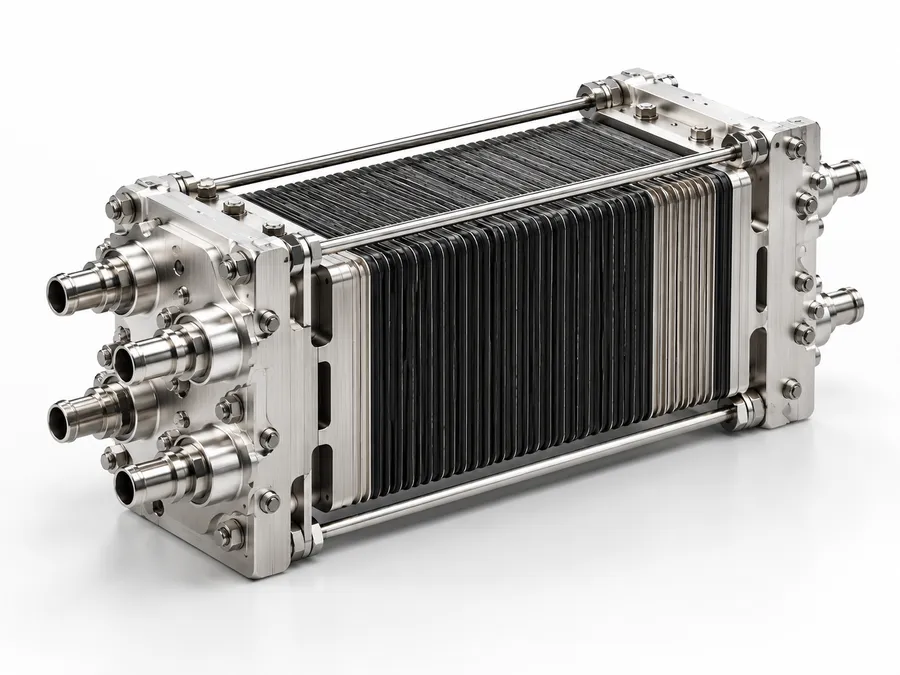
PEM Fuel Cells
Precision mesh solutions for selected Proton Exchange Membrane fuel-cell applications where controlled flow, electrical performance and compact integration are important.
Learn More
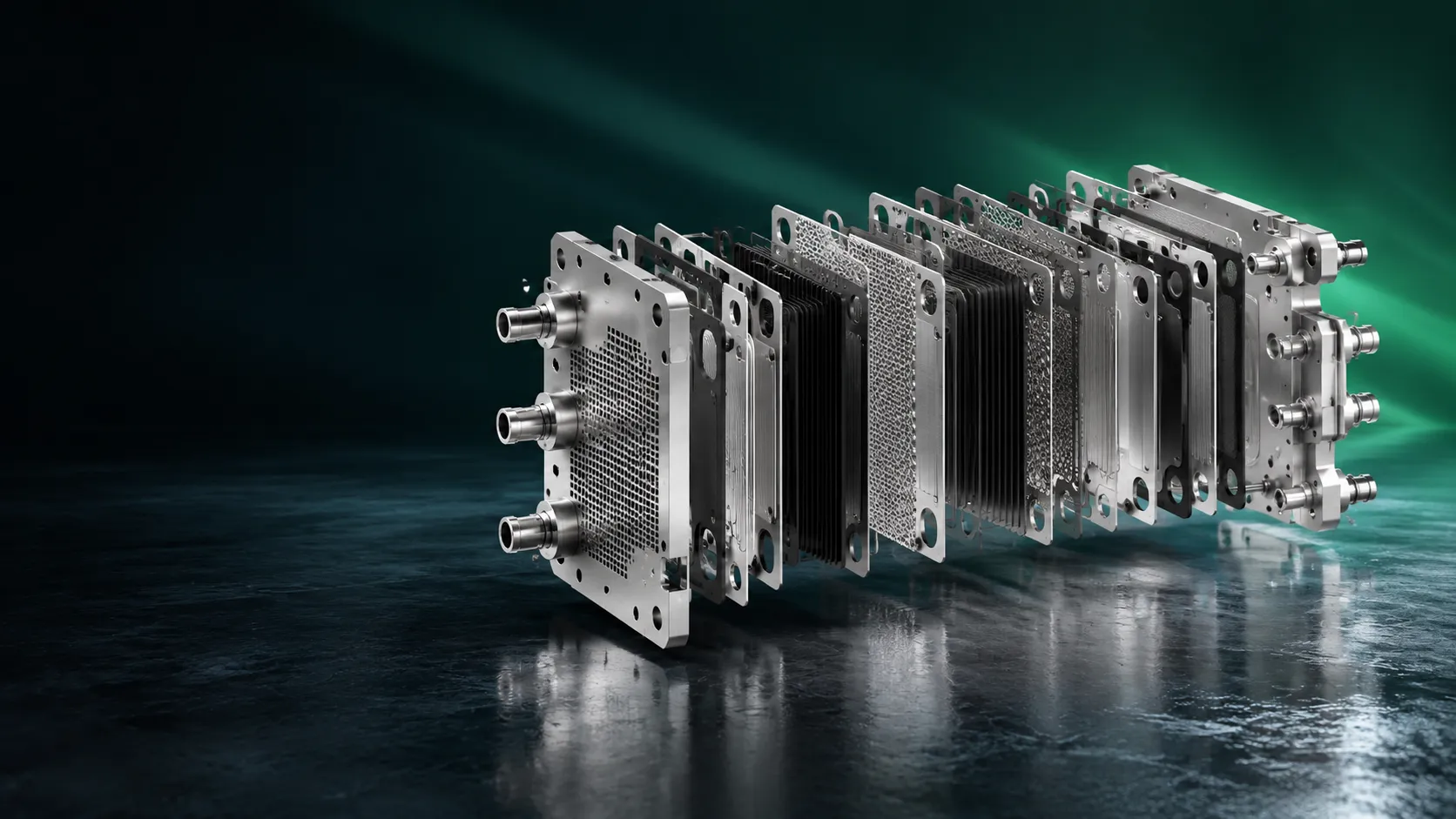
Fuel Cell Solutions
Precision-engineered woven and knitted metal mesh solutions designed to support efficient flow, current collection, component stability and reliable fuel-cell performance.
BVK Hydrotech combines material expertise, mesh engineering and application-focused manufacturing to develop solutions tailored to different fuel-cell requirements.
Mesh structures engineered around the functional needs of fuel-cell applications.
Solutions available in nickel, stainless steel, titanium and other application-specific materials.
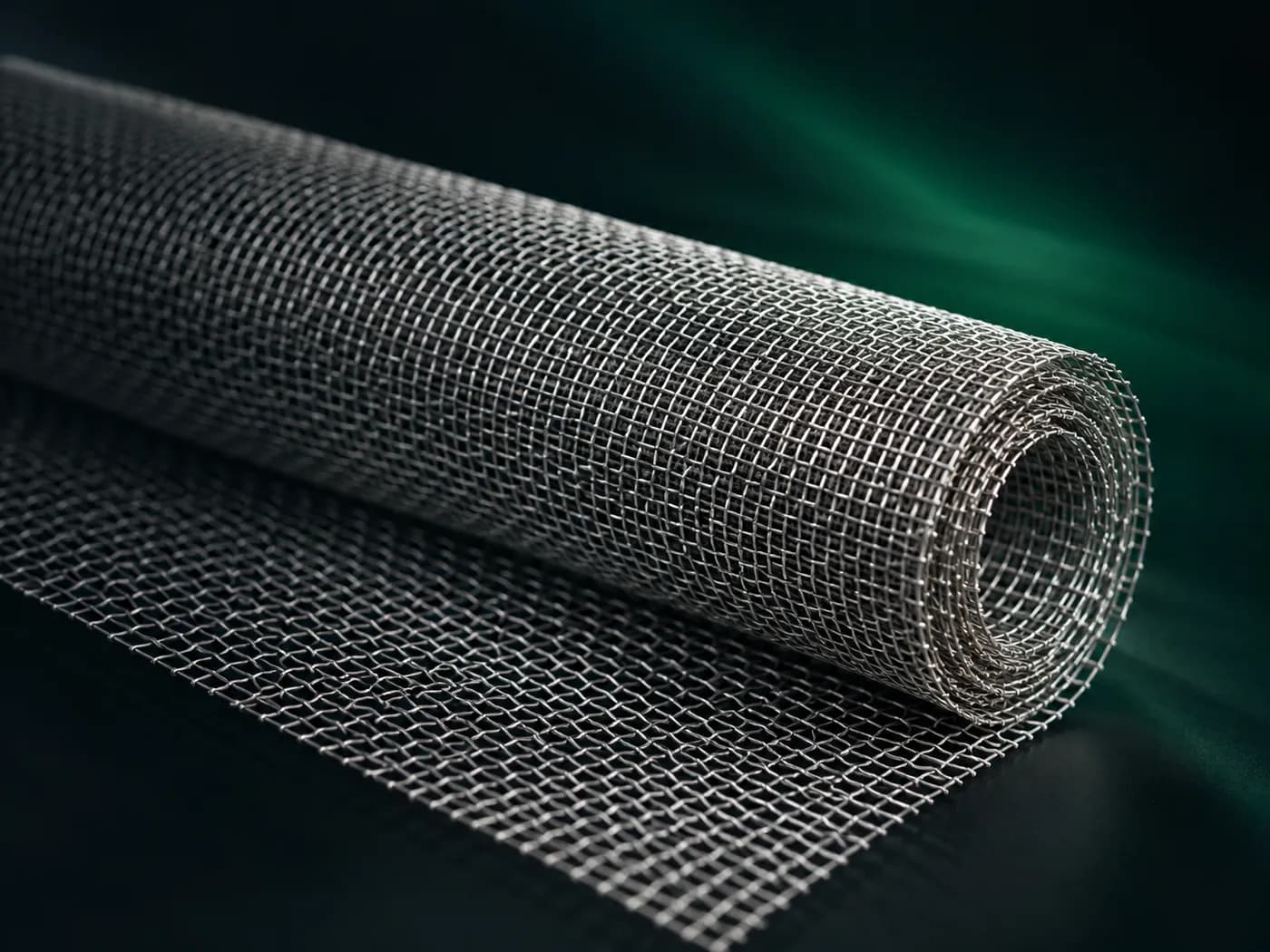
Mesh can be supplied in different constructions, sizes, shapes and processed component formats.
Application-focused support from material selection through component development.
Overview
Fuel-cell systems depend on controlled gas movement, electrical connectivity and stable component integration. BVK Hydrotech develops woven and knitted metal mesh solutions that can support these functions across selected fuel-cell architectures.
Our approach starts with the application. Material, mesh construction, geometry and further processing are selected according to the role the component needs to perform inside the system.
From development samples and custom components to production-scale requirements, our focus is on repeatable quality, practical engineering and dependable supply.
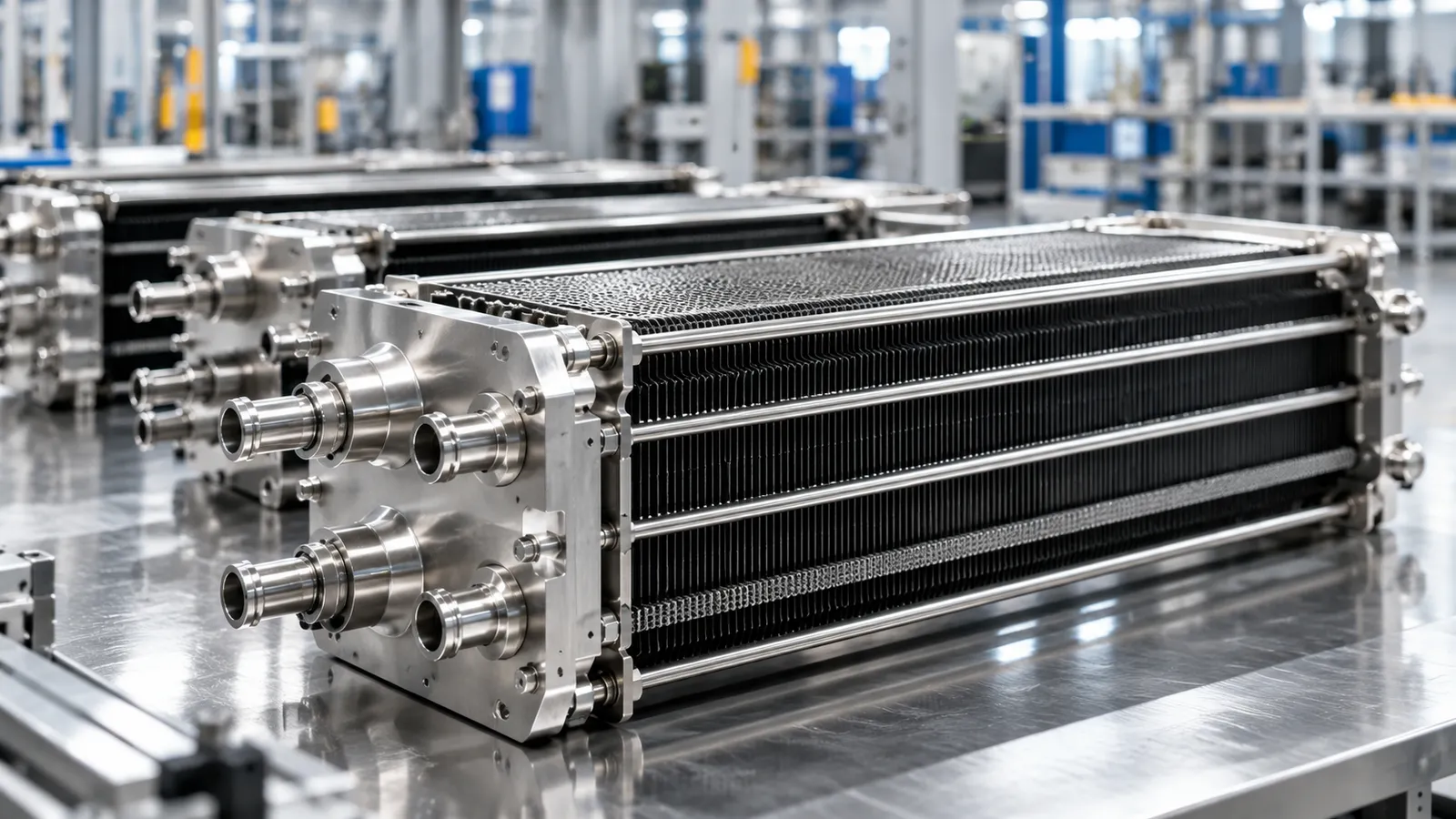
Fuel Cell Mesh Components
Engineered mesh for diffusion, current collection, electrode support and related stack applications.
Fuel Cell Types
Different fuel-cell technologies operate under different temperature, material and environmental conditions. Our mesh solutions are selected and engineered according to the needs of the specific fuel-cell architecture.
Precision mesh solutions for selected Proton Exchange Membrane fuel-cell applications where controlled flow, electrical performance and compact integration are important.
Learn More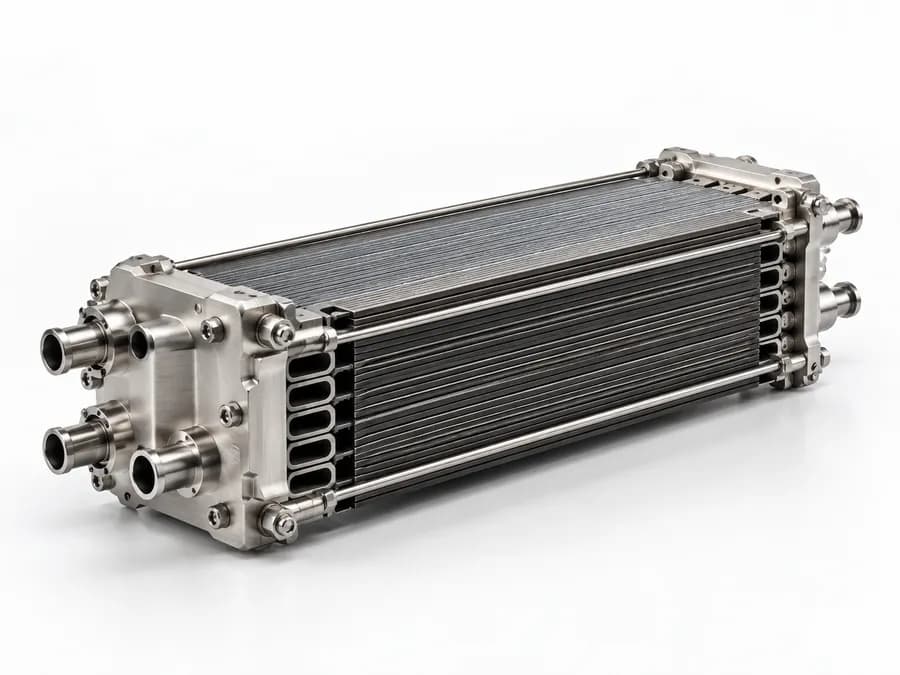
Mesh solutions for alkaline fuel-cell applications, with material and construction selected around conductivity, stability and operating conditions.
Learn More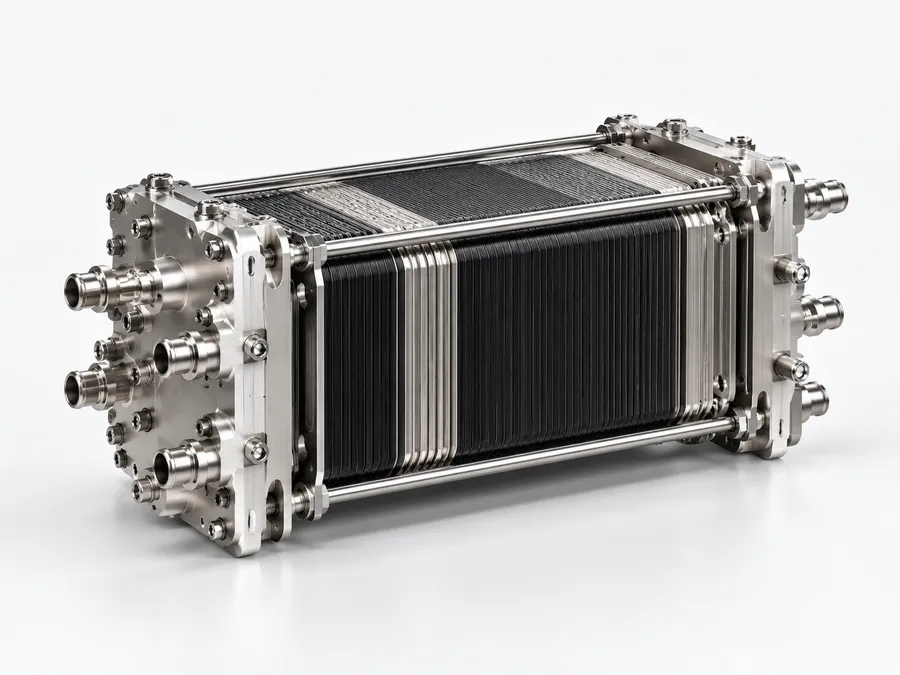
Application-specific mesh solutions for selected SOFC requirements where material durability and higher-temperature operating environments need to be considered.
Learn More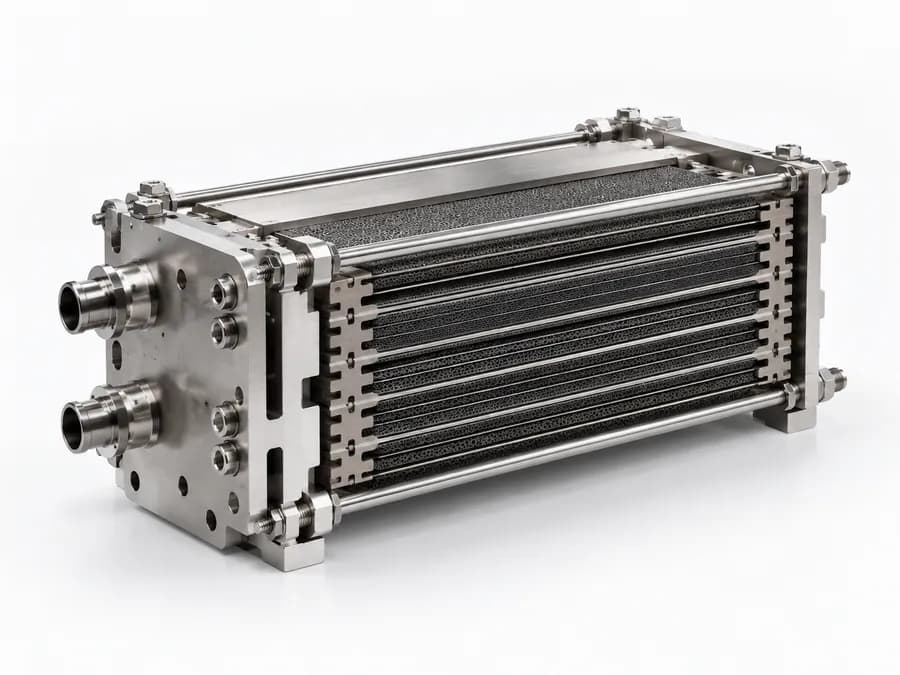
Need a solution for another fuel-cell architecture? Our engineering team can review your operating conditions, component function and integration requirements.
Discuss Your ApplicationWhere mesh fits in a fuel cell
Precision metal mesh can perform several important functions inside a fuel-cell system. The final mesh construction depends on the required balance between gas flow, conductivity, mechanical support and integration.
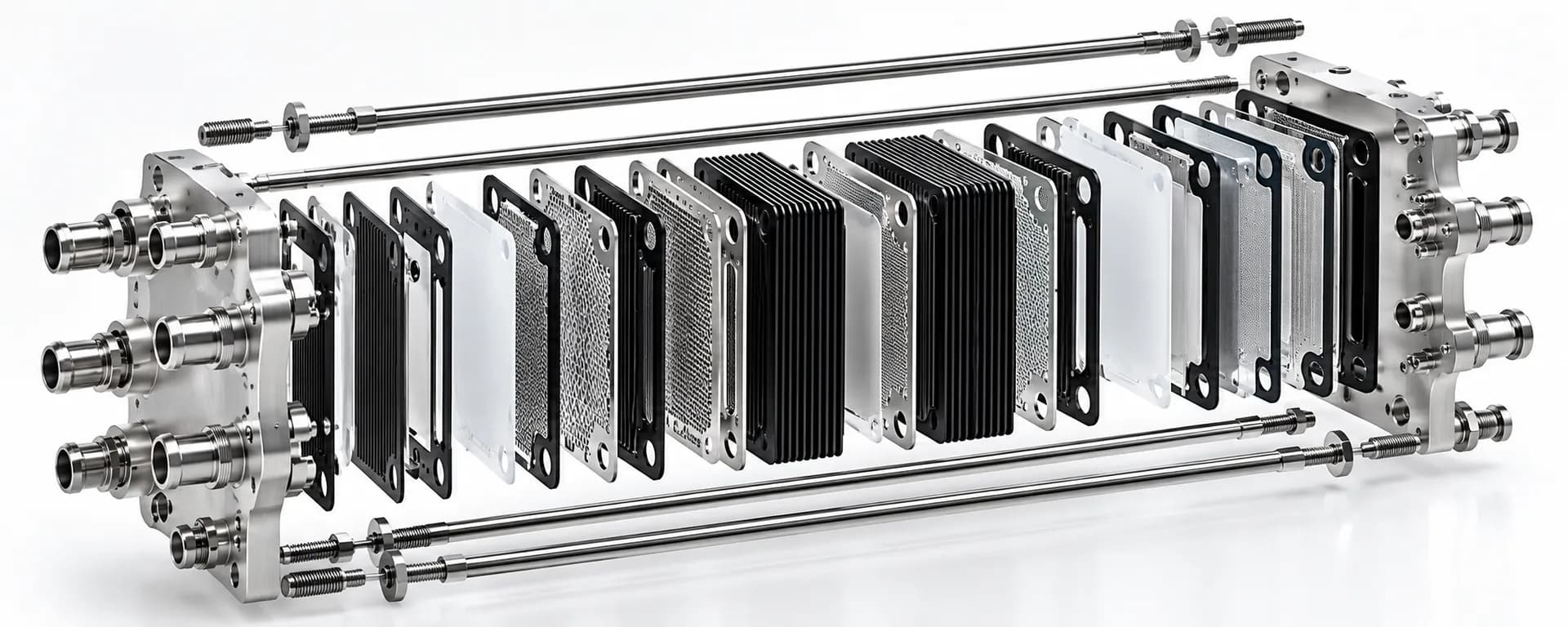
Metallic mesh can provide conductive pathways that support current collection and distribution.
Open mesh structures can help support gas movement while maintaining structural stability around diffusion-related components.
Mesh can provide mechanical support and controlled contact around electrode-related assemblies.
Carefully selected mesh geometry can support more uniform movement of gases or process media through a component.
Mesh structures can provide reinforcement, spacing or support where a flexible but stable metallic structure is required.
Mesh can be cut, formed or processed into application-specific shapes for integration into wider fuel-cell assemblies.
Material Options
Material selection plays an important role in fuel-cell component performance. Conductivity, corrosion behaviour, operating environment and mechanical requirements all influence the final choice.
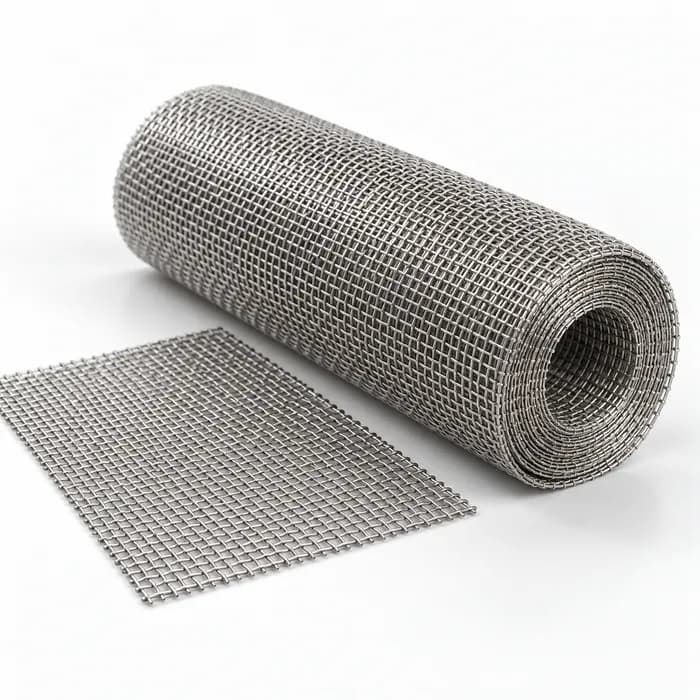 Nickel MeshNickel-based mesh options for applications requiring good electrical performance and suitability for selected electrochemical environments.
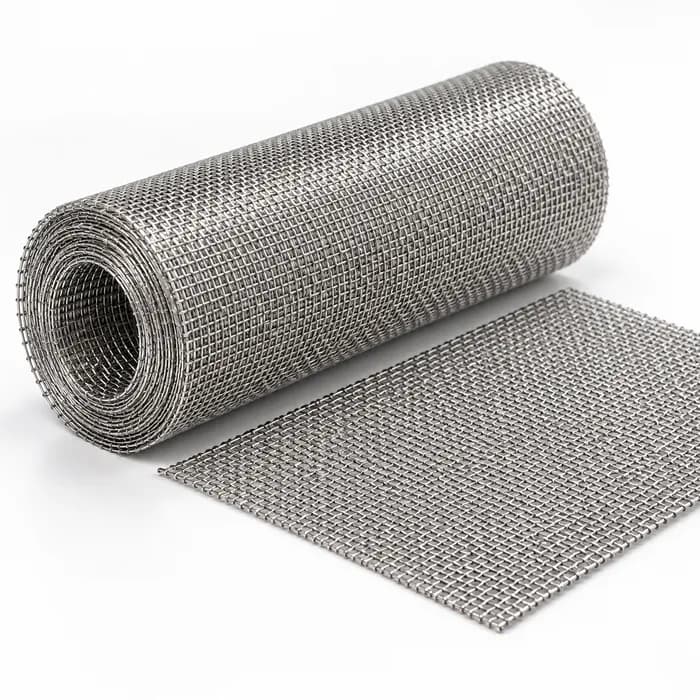 Stainless Steel MeshA versatile material option offering strength, processability and broad industrial applicability.
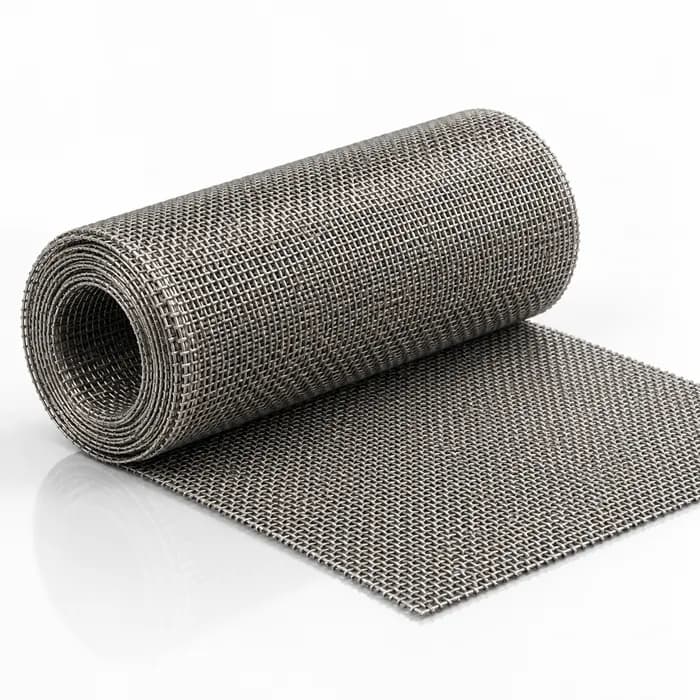 Titanium MeshSuitable for specialised applications where corrosion resistance and material stability are important.
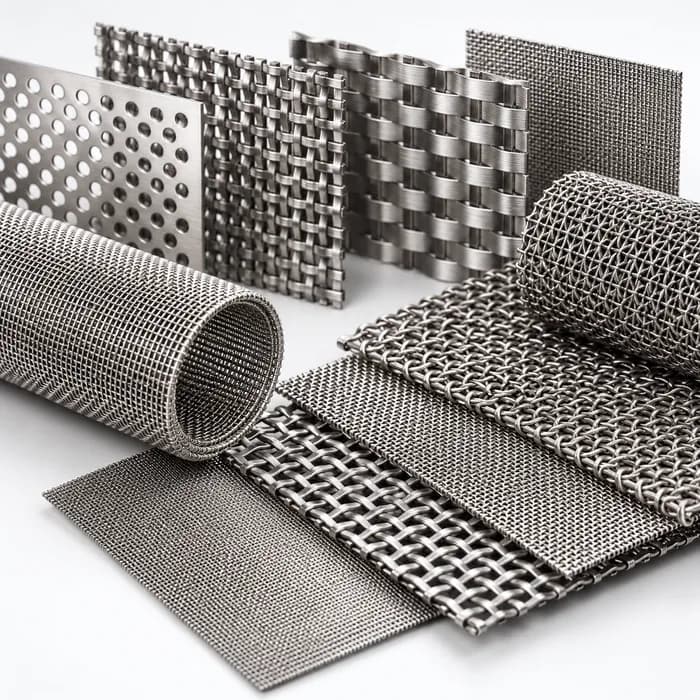 Specialty & Custom AlloysAdditional alloy options can be evaluated according to operating conditions and project-specific requirements.
Customization Capabilities
Fuel-cell designs are not one-size-fits-all. BVK Hydrotech can tailor mesh characteristics and downstream processing around the required component function.
Manufacturing Process
Our process is designed to turn an application requirement into a practical, manufacturable mesh solution.
01
We begin by understanding the application, component function, operating environment and performance priorities.
02
Suitable material options are reviewed based on conductivity, durability, mechanical requirements and environmental exposure.
03
Mesh construction, geometry and configuration are selected around the intended function.
04
The selected mesh is manufactured using the appropriate woven or knitted process and supporting production steps.
05
Components are checked against defined quality and dimensional requirements.
06
Products are prepared for safe handling, traceability and shipment to the customer.
Quality & Testing
Consistent mesh performance starts with controlled manufacturing and disciplined inspection.
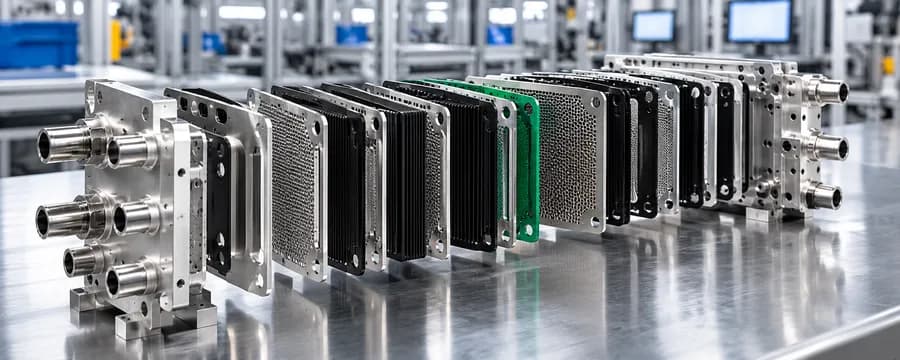
Verification of critical dimensions and component geometry against defined requirements.
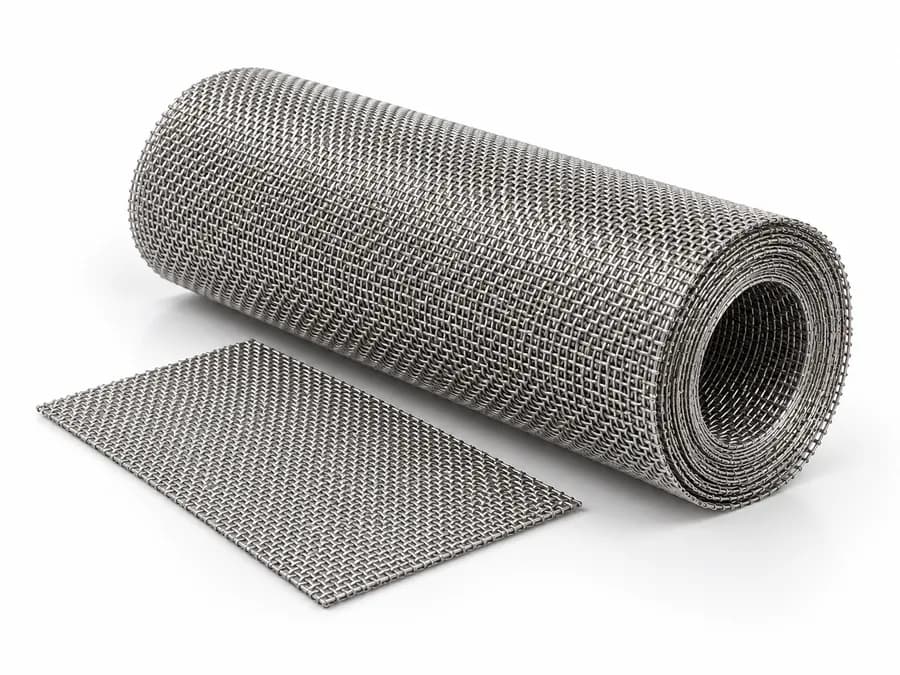
Material and process documentation are managed to support consistency and traceability.
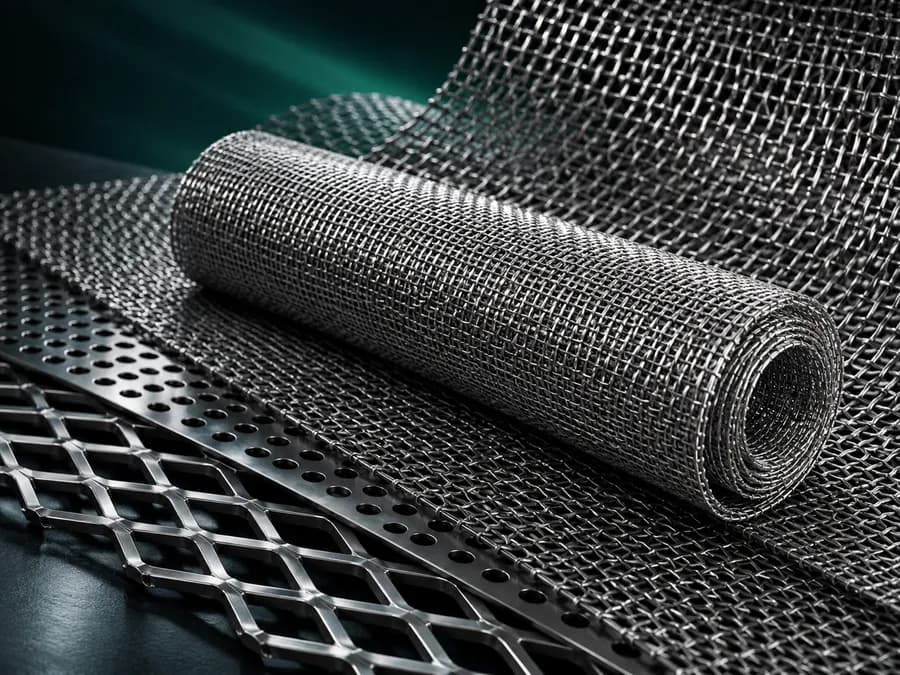
Visual and application-relevant inspection helps maintain the required surface condition.
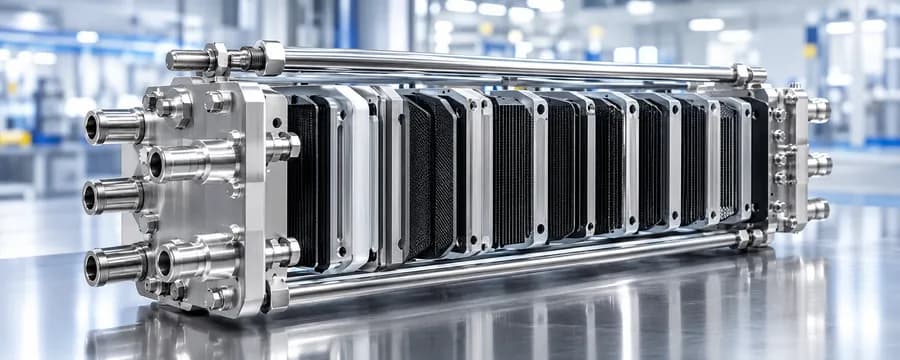
Manufacturing and quality-control plans support repeatable output across batches.
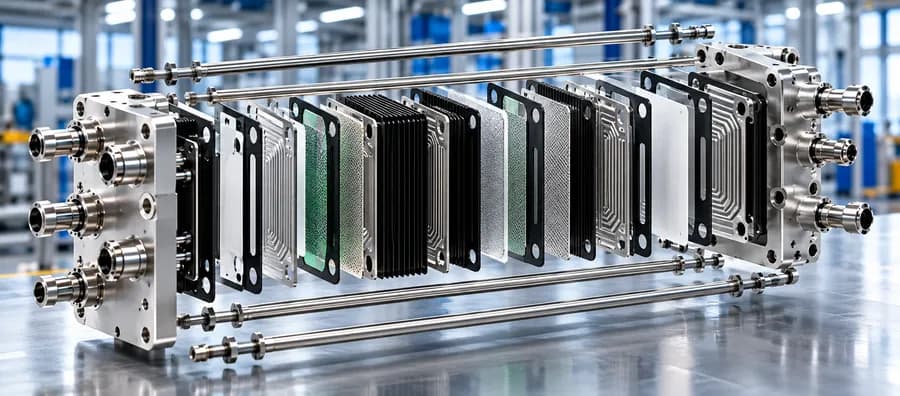
100% traceability together with process and quality-control planning.
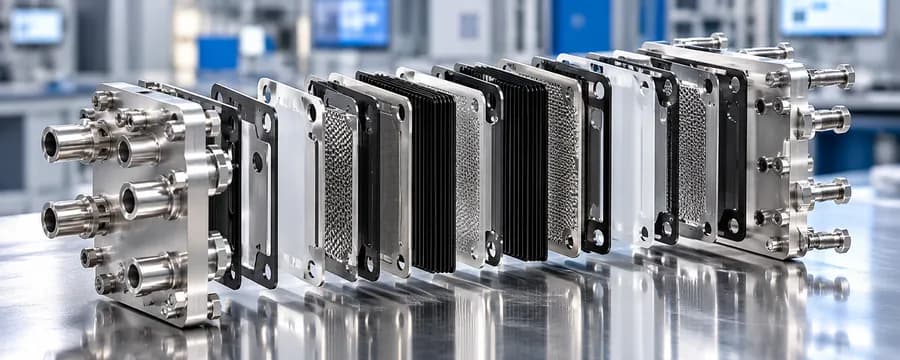
Custom testing equipment, light-box inspection and video inspection.
Technical Specifications
Rather than forcing every project into a fixed standard, fuel-cell mesh is selected and engineered according to the component's role and operating environment.
| Parameter | Available Approach |
|---|---|
| Mesh Construction | Woven or knitted options depending on application |
| Material | Nickel, stainless steel, titanium and selected specialty alloys |
| Wire Diameter | Selected according to strength, flow and conductivity requirements |
| Mesh Density | Application-specific |
| Opening / Porosity | Engineered according to required flow behaviour |
| Thickness | Project-specific |
| Width / Dimensions | Standard and custom formats |
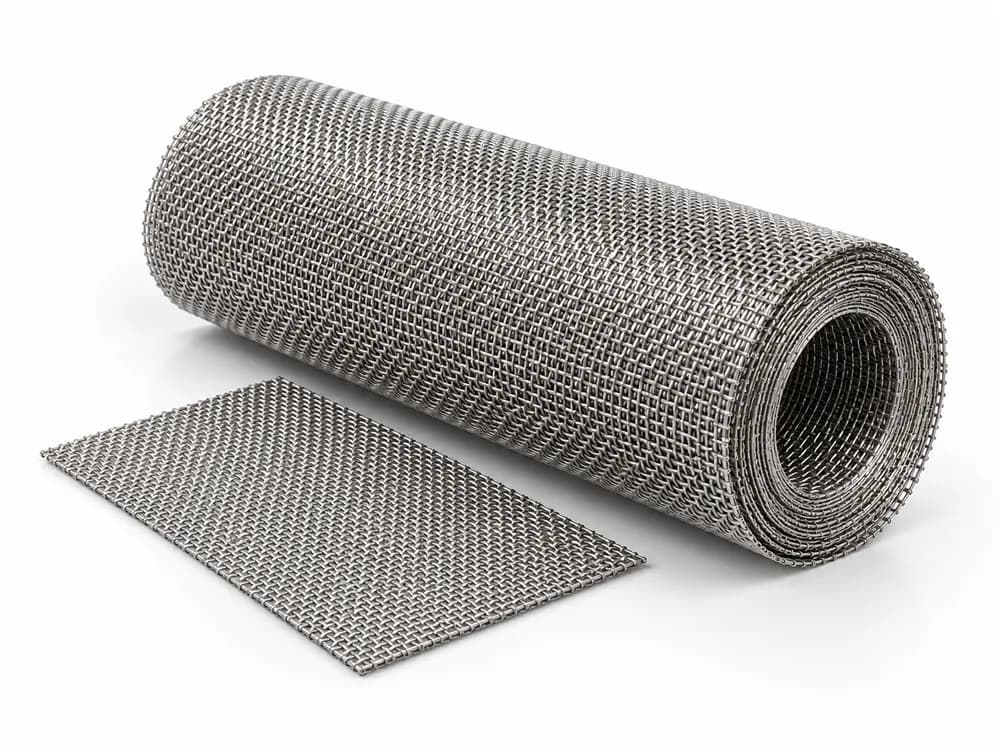
| Component Form | Roll, sheet, cut part or formed component |
| Surface Treatment | Application-specific options available |
| Further Processing | Cutting, forming, cleaning and other selected operations |
Final specifications are confirmed against your actual application and approved engineering data.
Technical Downloads
Access supporting documents to help evaluate material options, mesh construction and project requirements.
R&D and Engineering Support
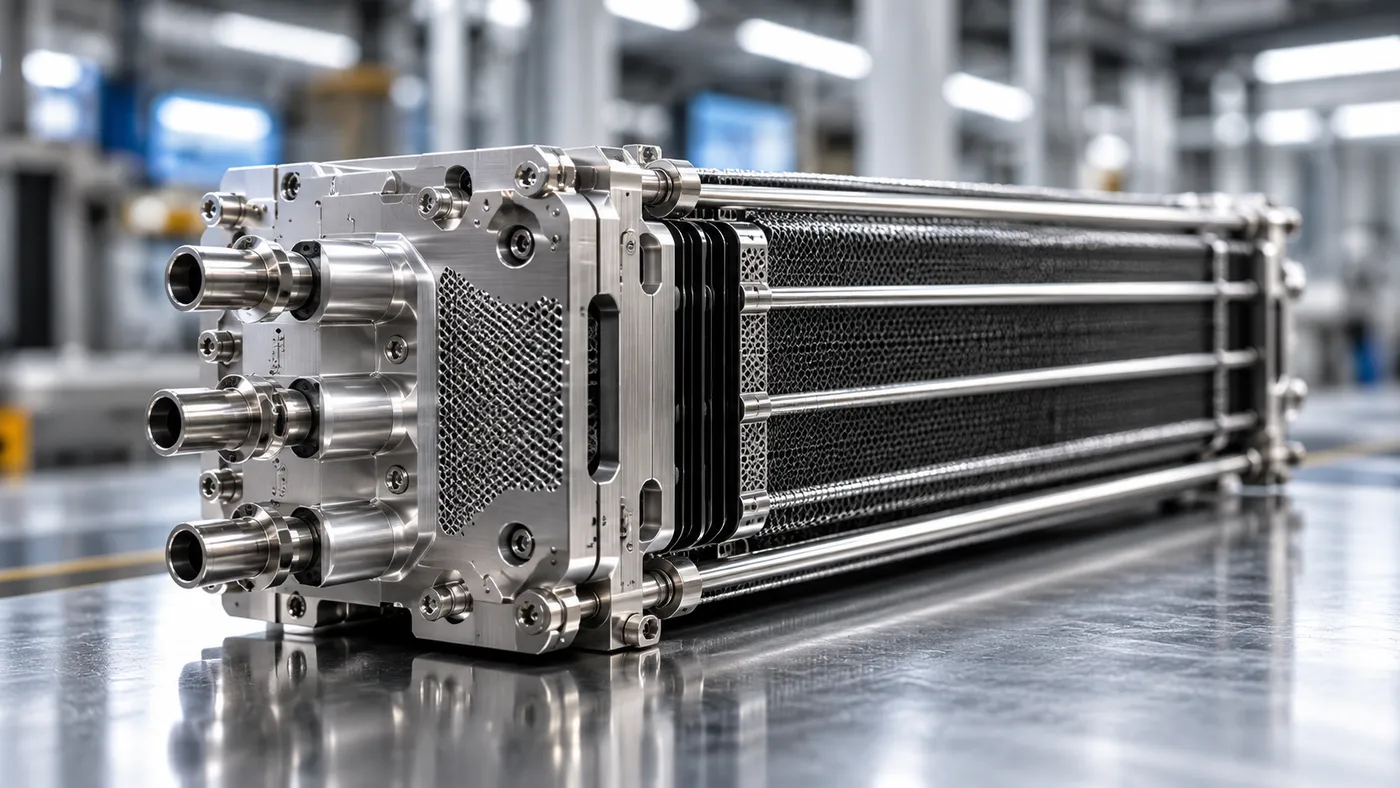
Complex applications often require more than a standard product. BVK's technical approach includes application review, material recommendations, prototyping and mesh-design optimization.
Where required, engineering evaluation can also include simulation-based assessment and flow analysis before production scale-up.
Application-focused technical discussion from concept stage.
Support for testing new configurations before scale-up.
Mesh geometry and material choices can be refined around application needs.
Development solutions can be transitioned toward repeatable manufacturing.
Why BVK Hydrotech
We start with what the component needs to do, not with a fixed catalogue item.
Mesh construction and processing can be tailored around specific project needs.
BVK develops both woven and knitted metal mesh solutions for demanding industrial and clean-energy applications.
Engineering and production capabilities support development as well as repeat requirements.
Structured quality controls and traceability support consistent supply.
Our team works with customers to identify practical mesh solutions for their applications.

Sustainability
Fuel cells are part of the wider transition toward cleaner and more efficient energy technologies.
BVK Hydrotech supports this transition by developing precision mesh components for fuel-cell and hydrogen-related applications, combining material efficiency, engineering capability and application-focused manufacturing.
Our goal is simple: help customers build reliable systems with components engineered for their real-world operating requirements.
Solutions for hydrogen and fuel-cell technologies.
Material and geometry selected according to application needs.
Engineering support from development through supply.
Technical Enquiry
Every fuel-cell project has different requirements.
Share your application, preferred material, component dimensions and expected function with our team. We will review the requirement and help identify a suitable mesh solution.
FAQ
Answers to the questions buyers and engineers ask most often about this part of our range.
Related Solutions
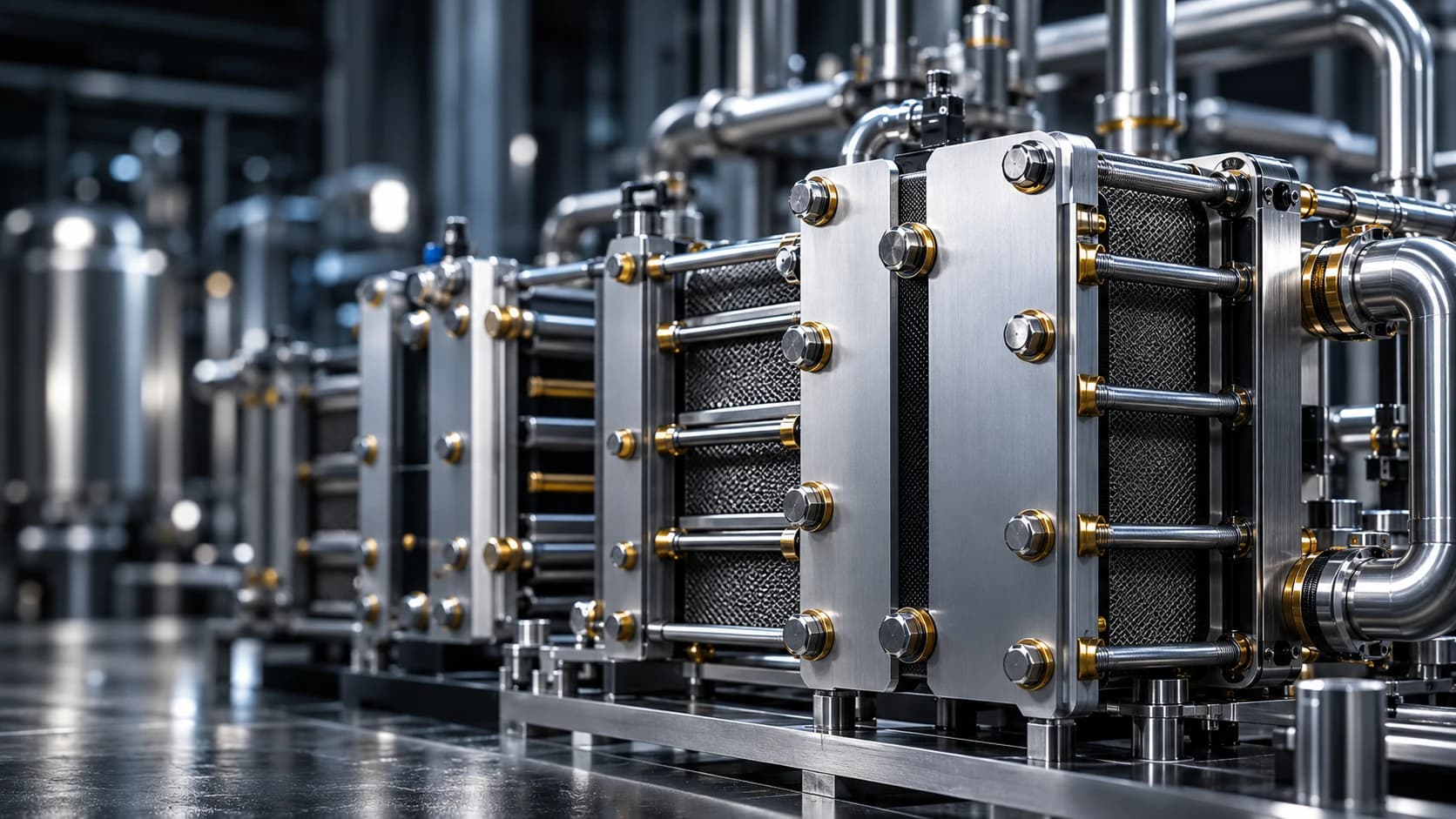 Electrolyser SolutionsPrecision woven and knitted mesh solutions developed for hydrogen and electrolyser applications.Explore Electrolyser SolutionsIndustrial Filtration SolutionsEngineered metal mesh for industrial liquid and gas filtration requirements.Explore Filtration Solutions
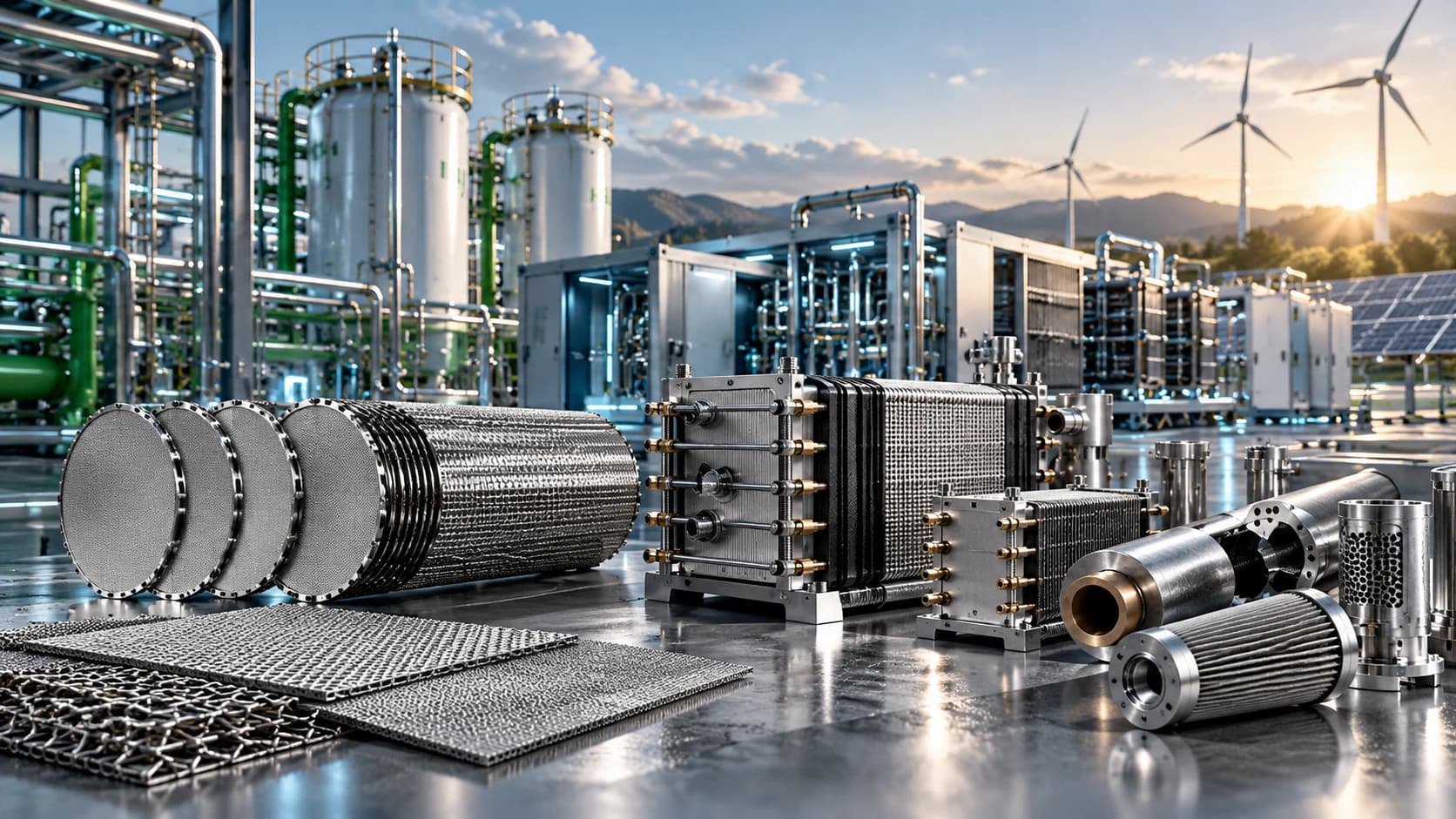 Electrochemical SolutionsMesh structures for selected electrochemical and process applications.Explore Electrochemical SolutionsCustom Mesh SolutionsApplication-specific woven and knitted mesh developed around unique dimensional and functional requirements.Explore Custom Mesh Solutions

Tell us what the component needs to do. Our team can help you review the material, mesh construction, geometry and processing options for your application.
B2B technical enquiry
Tell us about your application and our engineers will get back to you.