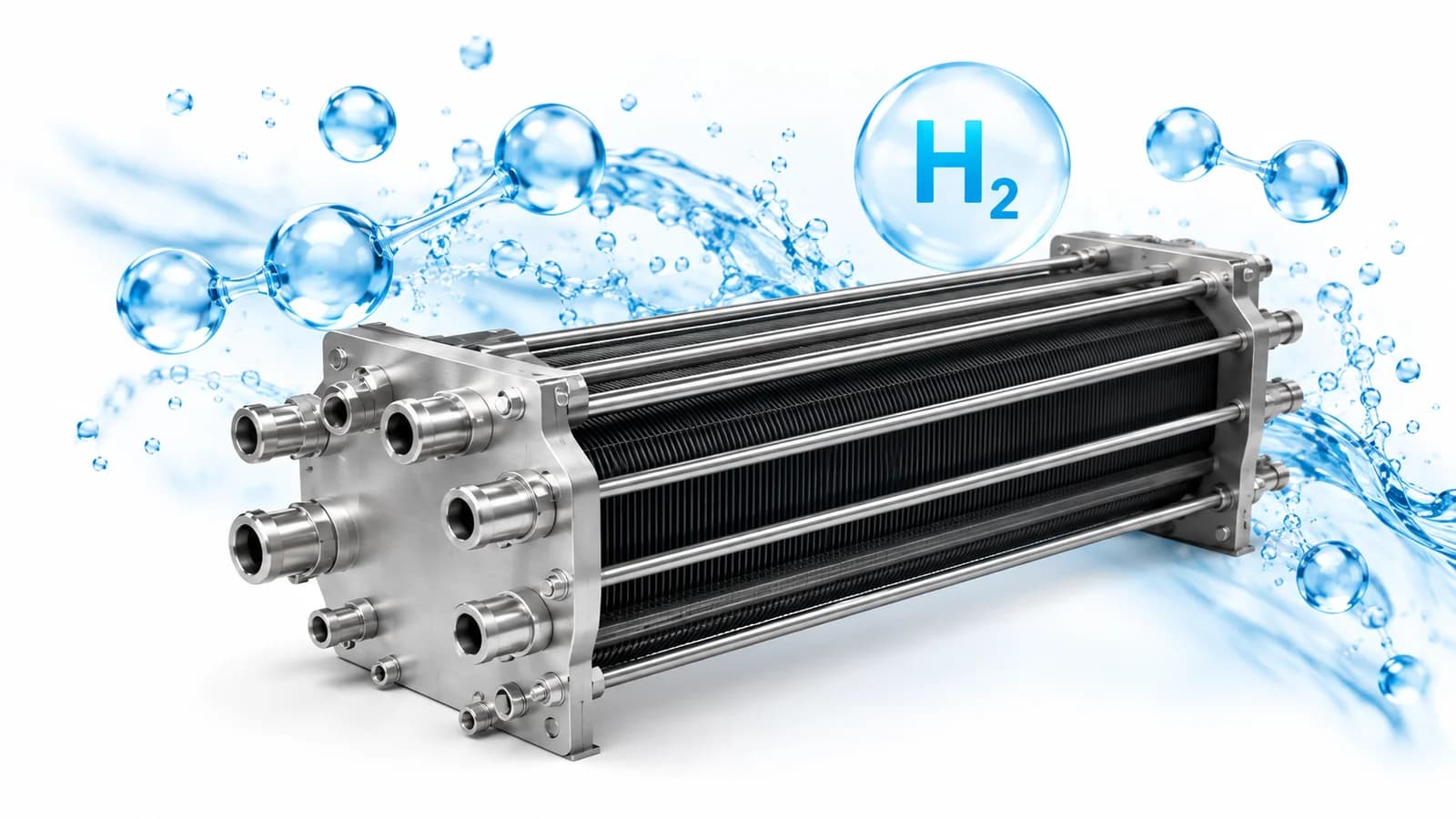
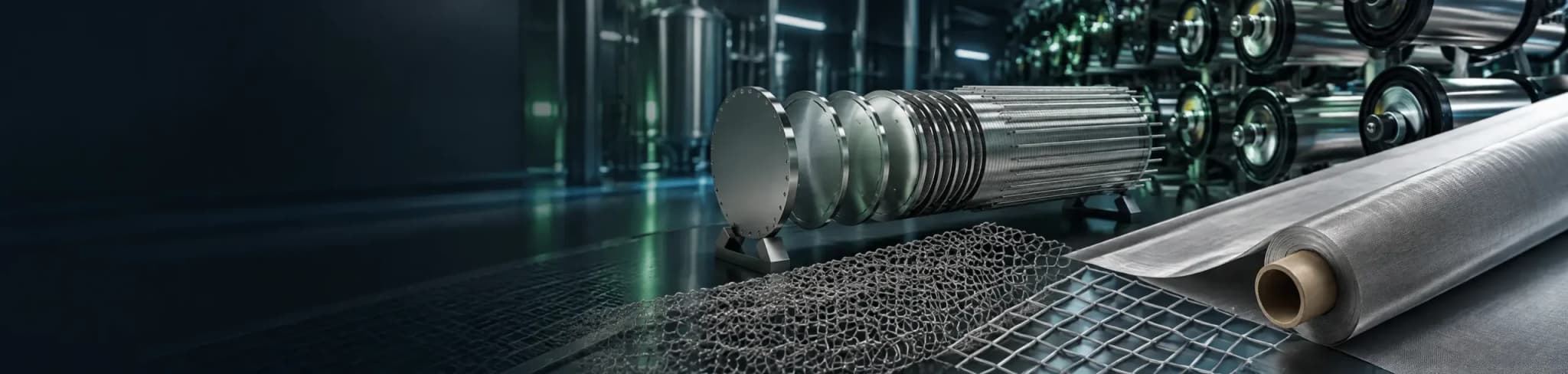
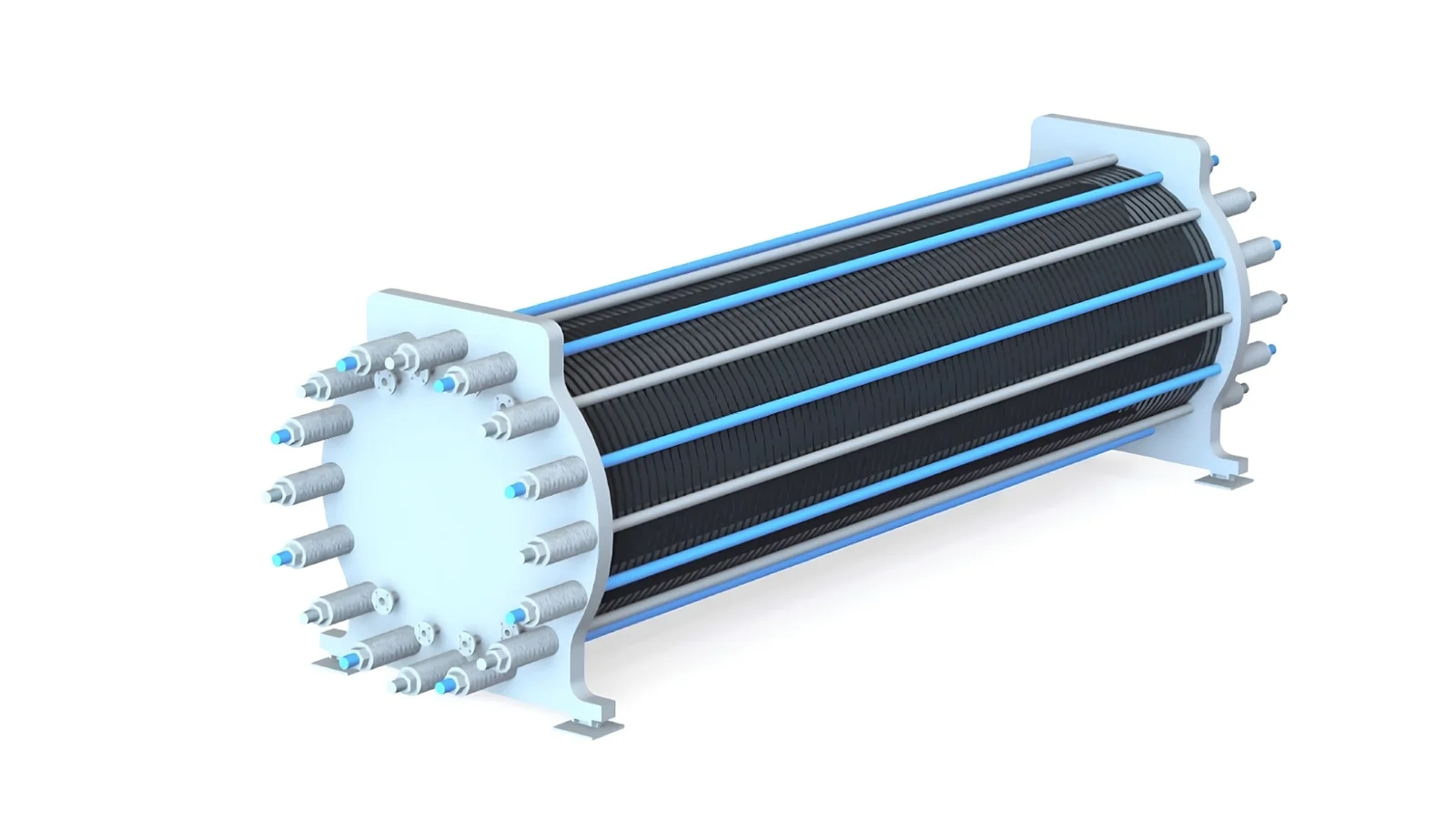
Green hydrogen depends on electrolysers that run efficiently for years. Inside the stack, a surprising amount of that performance rests on the metal mesh between the plates.
What knitted mesh does in a stack
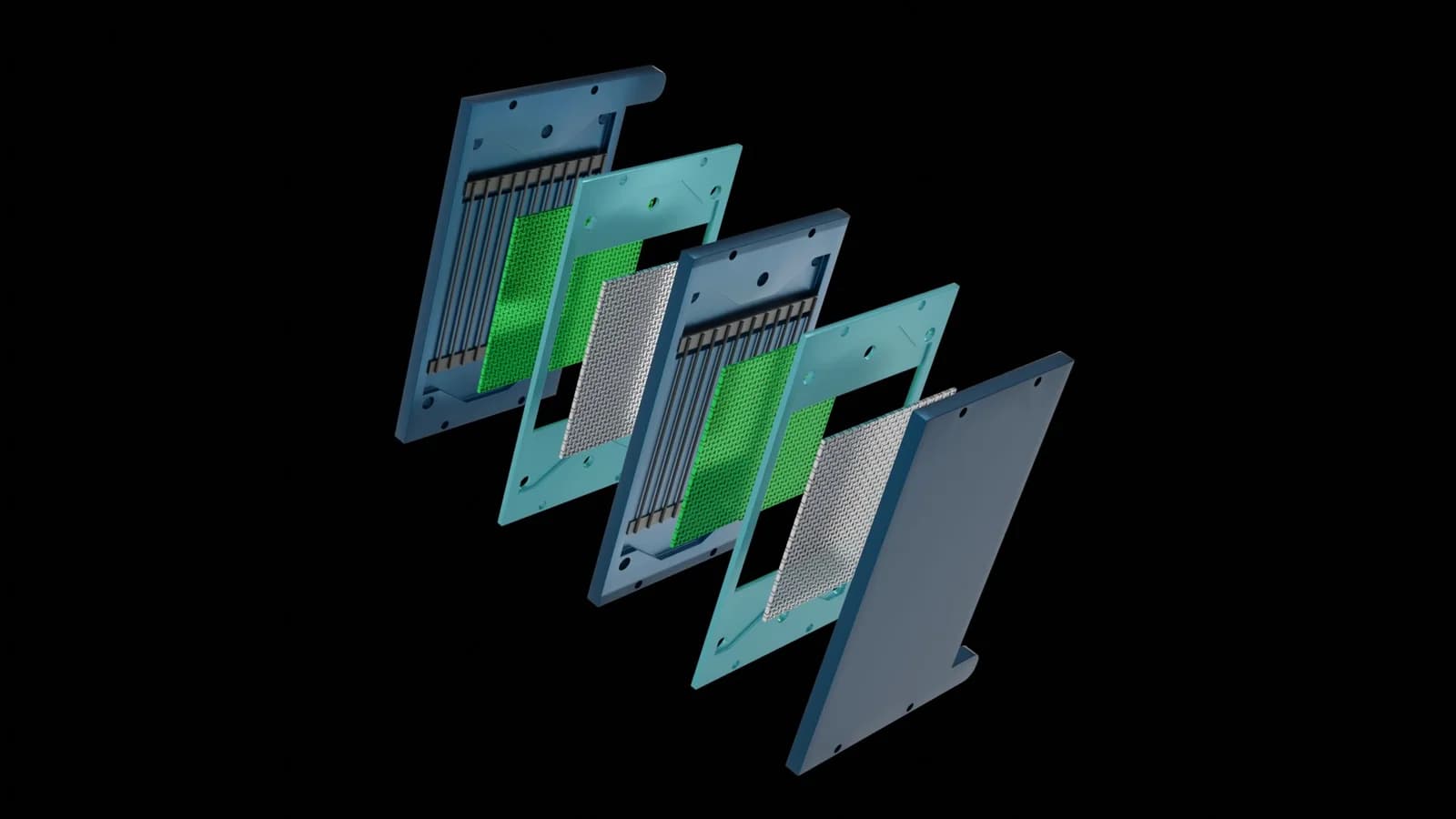
- Elastic element. The springy, compressible structure keeps electrical contact between cell components while absorbing tolerance and thermal movement.
- Gas diffusion and porous transport. An open, permeable structure lets gas bubbles leave and liquid reach the electrode surface.
- Current collection. A continuous metallic path carries current across the active area.
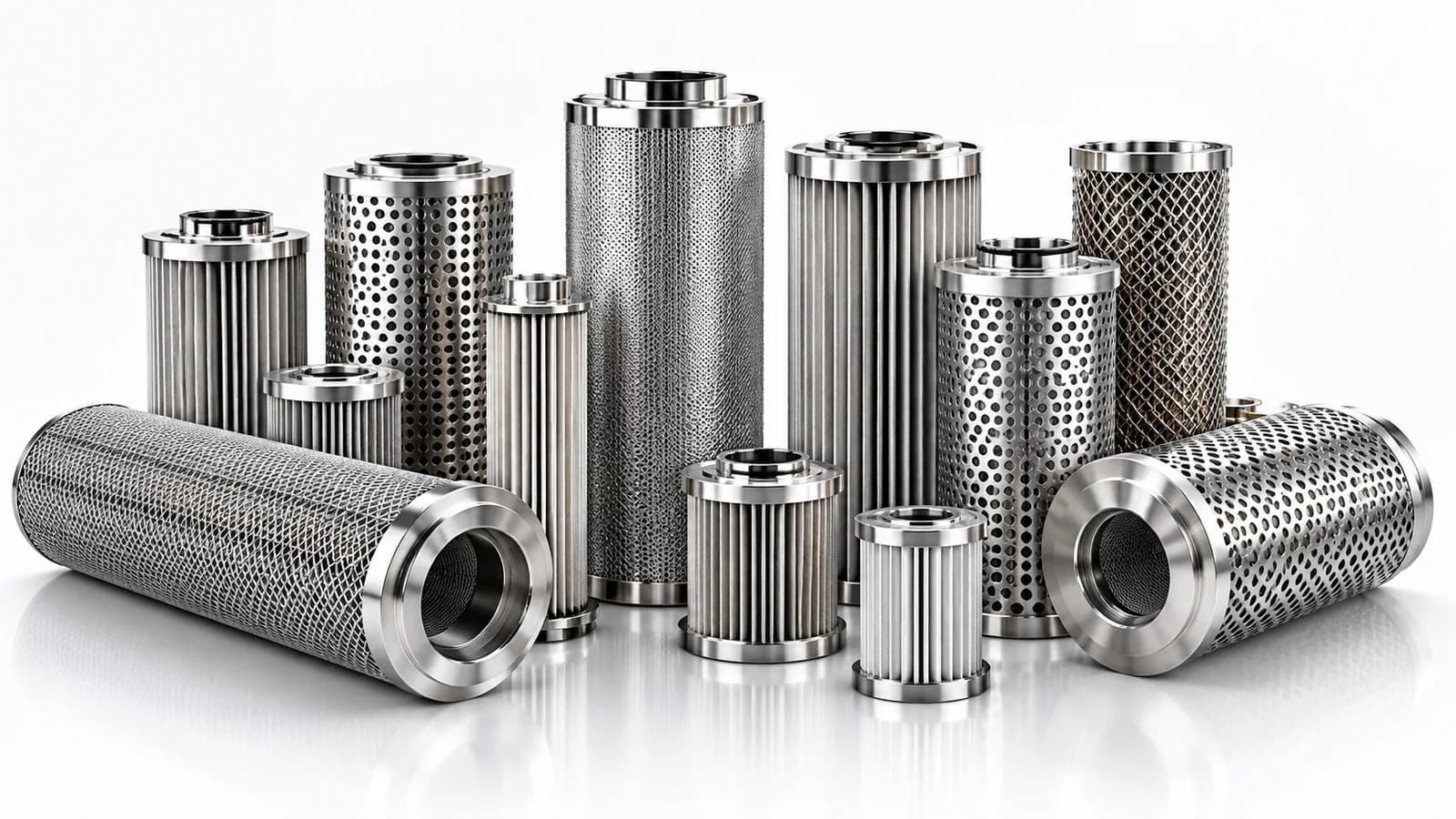
- Separator and balance-of-plant filtration. Mesh can also act as a separator layer and as a filter in the surrounding system.
Why knitted rather than woven
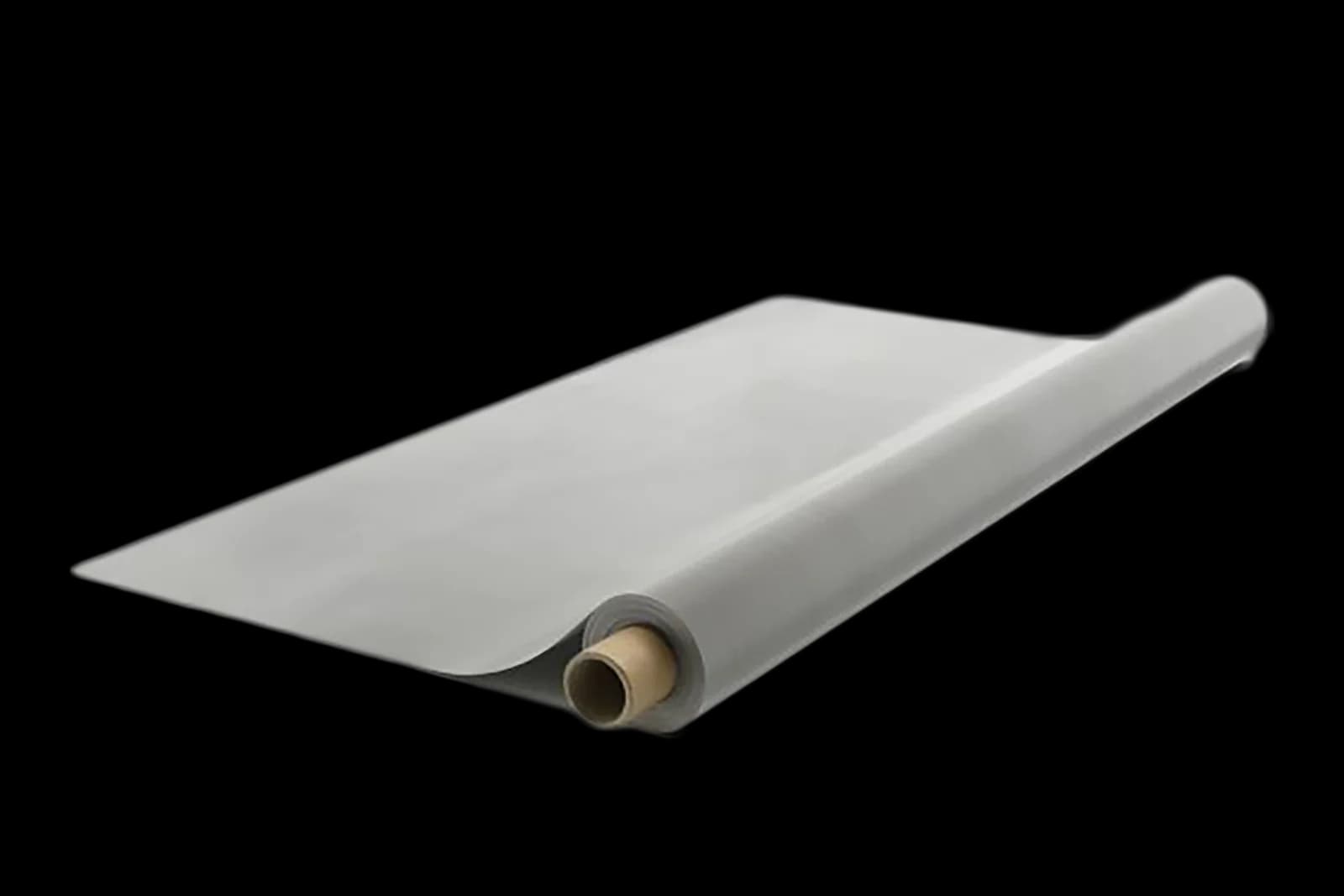
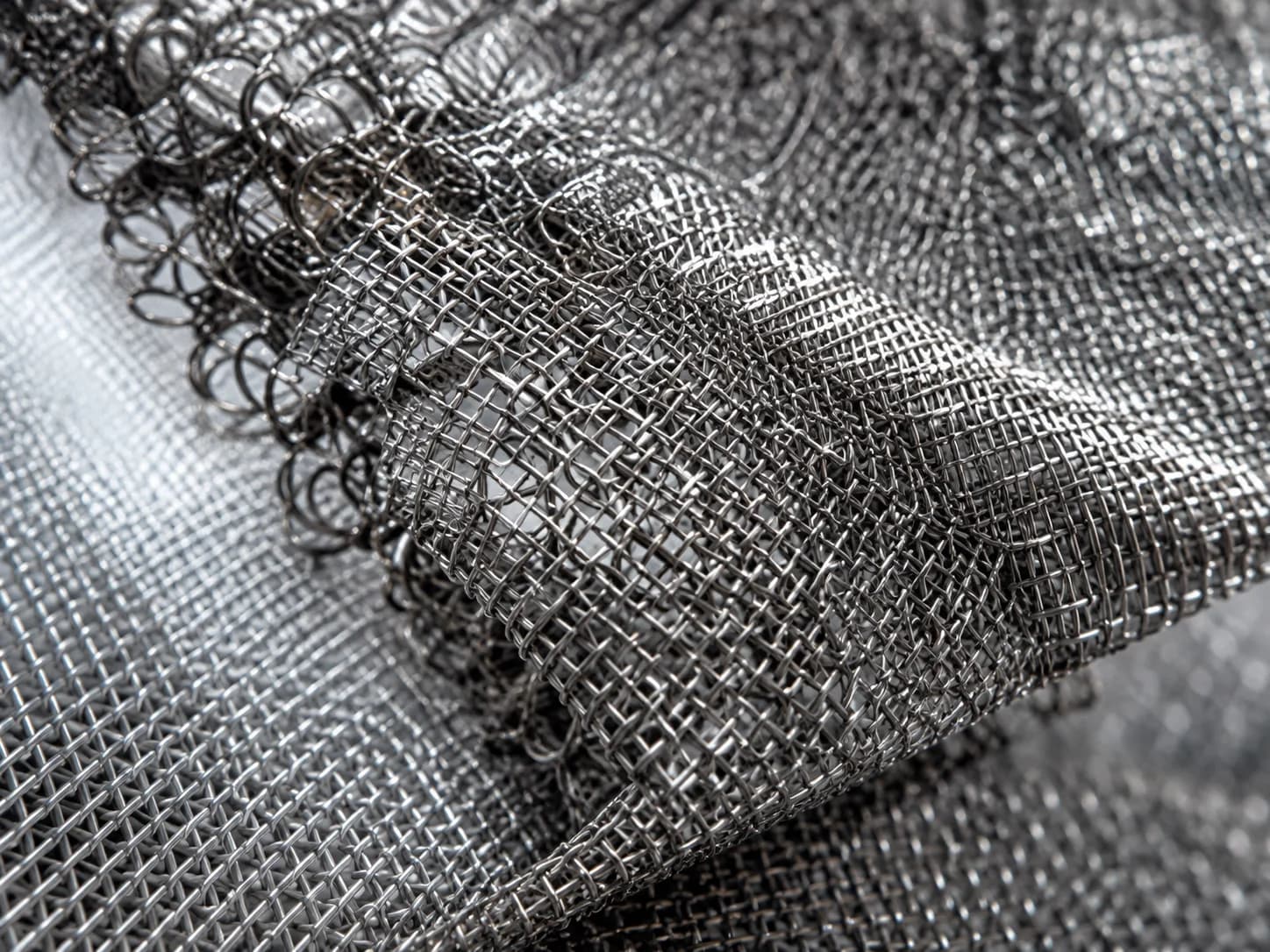
Knitted loops can compress and recover. That elasticity maintains contact pressure across a large active area, which a rigid woven cloth cannot do as well. Knitting can also produce large single pieces and corrugated forms that are difficult to build from cut cloth.
What to specify
- Material: nickel for alkaline cells; titanium for acidic PEM cells; stainless steel where the chemistry allows.
- Wire diameter and density: these set stiffness, porosity and contact behaviour.
- Single or multi-end knit: chosen for the balance between openness and support.
- Form: flat, corrugated or custom-shaped, with the corrugation matched to the stack.
- Size: large single pieces reduce joins inside the active area.
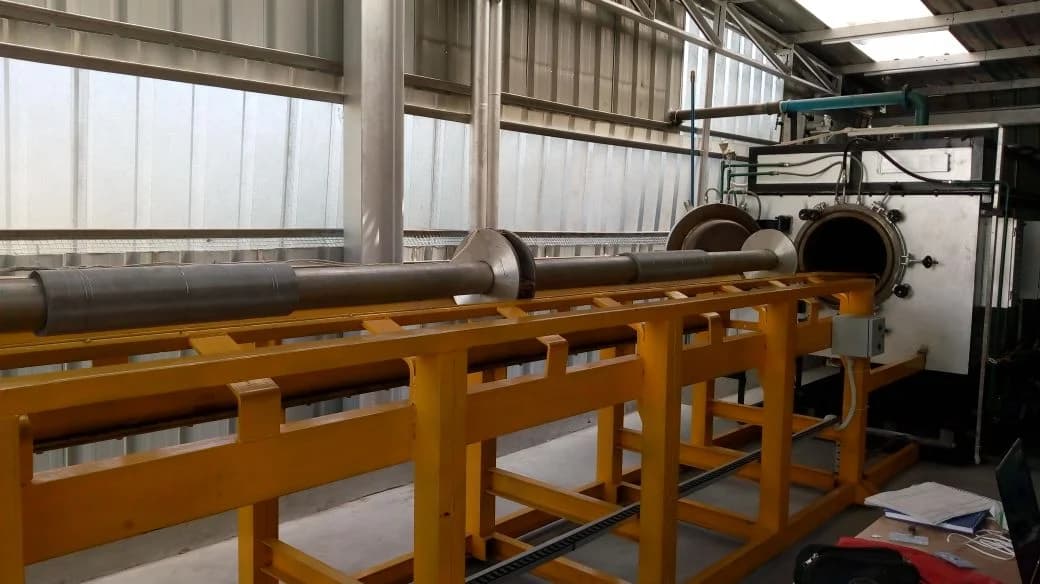
- Treatment: annealing and coating to tune springback and surface behaviour.
BVK Hydrotech’s knitted mesh
BVK Hydrotech knits single-end and multi-end structures in nickel, titanium, stainless steel and other alloys for electrolyser and fuel cell stacks. The knitted mesh range and the electrolyser solutions page set out the available structures; the nickel mesh article covers the alkaline case in more detail.