One Responsible Party
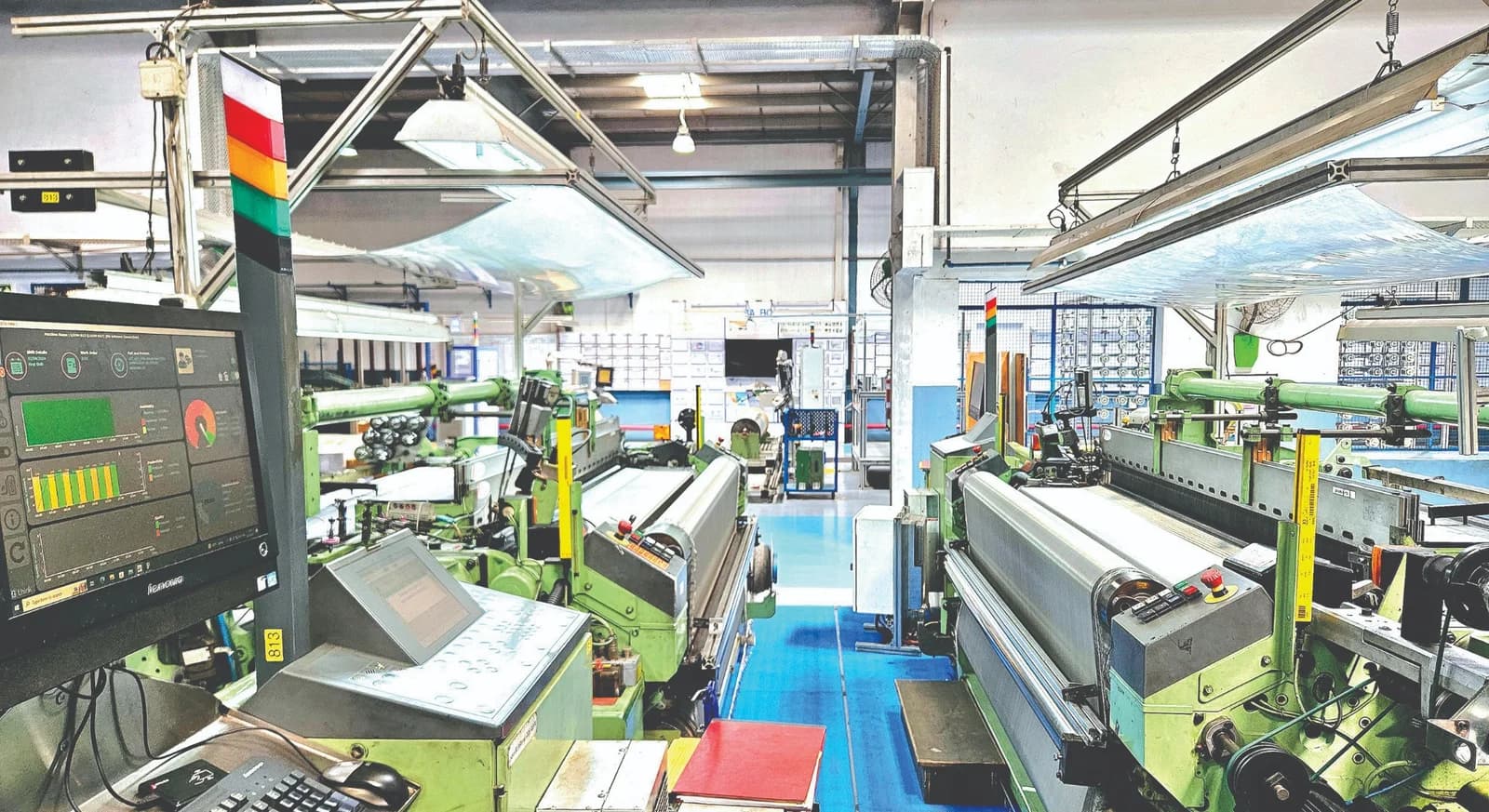
Weaving, treatment and forming controlled by the same quality system.
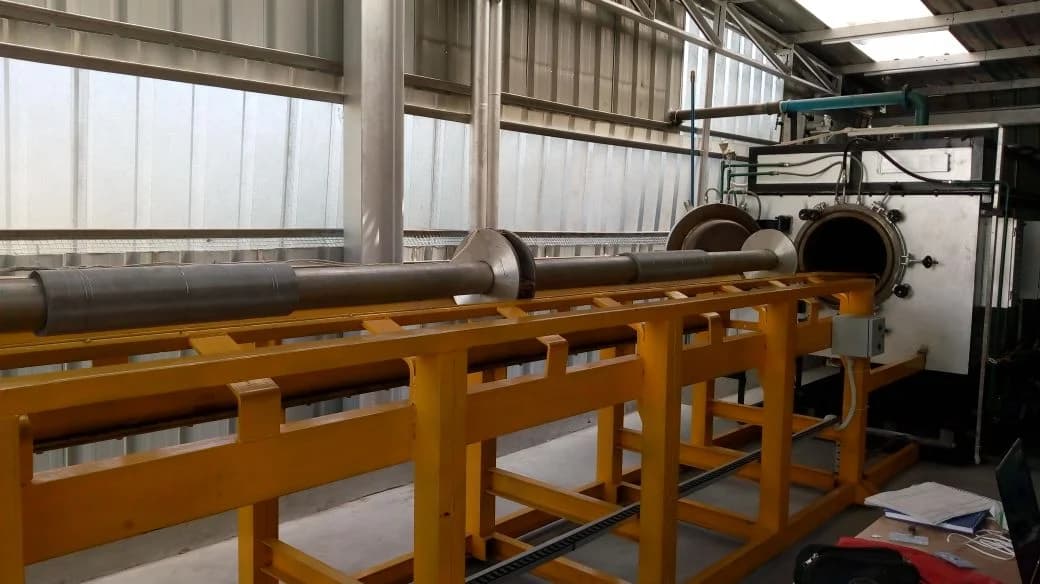
Mesh expertise from weaving to coating
The same mesh behaves very differently after treatment. Annealing, coating, forming and cutting are where a woven roll becomes a component that fits.
Property Control
Hardness, softness and formability altered to suit.
Modulated Coating
Thickness and pattern defined, not just applied.
Profile Forming
Crimped, corrugated or flattened to the assembly.
Precision Cutting
Laser-cut parts and die-cut geometries.
Overview
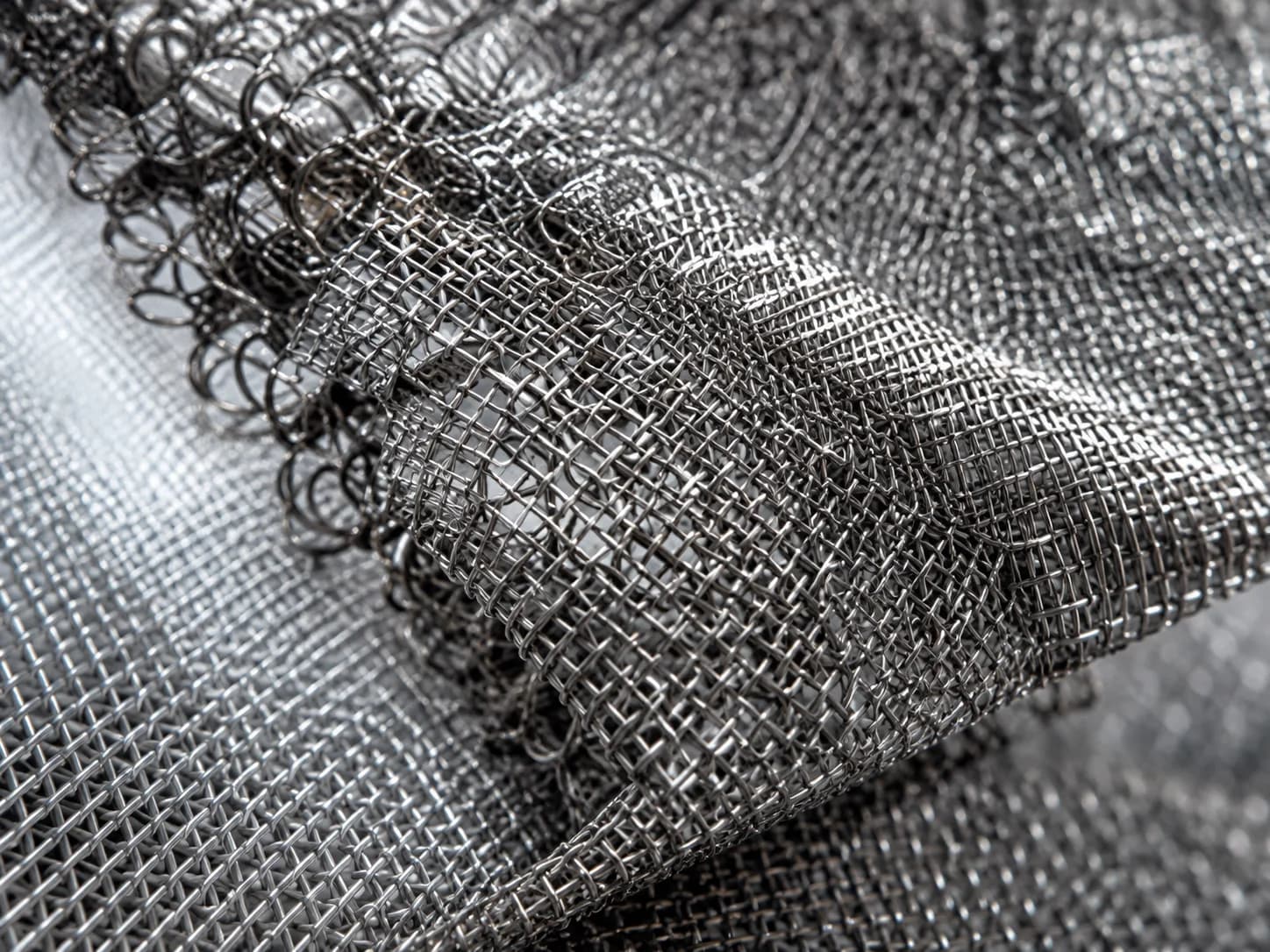
A woven or knitted roll is raw material. What arrives at your assembly line is the result of what happened afterwards: whether it was annealed soft enough to form without cracking, whether the coating went on at the thickness the electrochemistry needs, whether the corrugation angle gives the right spring rate. BVK's process allows mesh hardness, softness and formability to be changed deliberately, which is the difference between a mesh that fits and one that has to be forced.
Post-weave finishing — annealing, coating, forming and cutting
See the TreatmentsCapability
Each one changes a different property. Most components use two or three in sequence.
Alters material physical properties — the controlling step for formability.
Alternative coating possibilities with pre- and post-coating processes, and the ability to modulate coating thickness and pattern.
Crimped, corrugated in herringbone, W and V profiles with variable angles, or flattened.
Work-hardened material compensates forming tensions in the finished part.
Degreasing and plating for cleanliness, conductivity and corrosion resistance.
Laser cutting, slitting and die-cut geometries to the final component outline.
Coating science
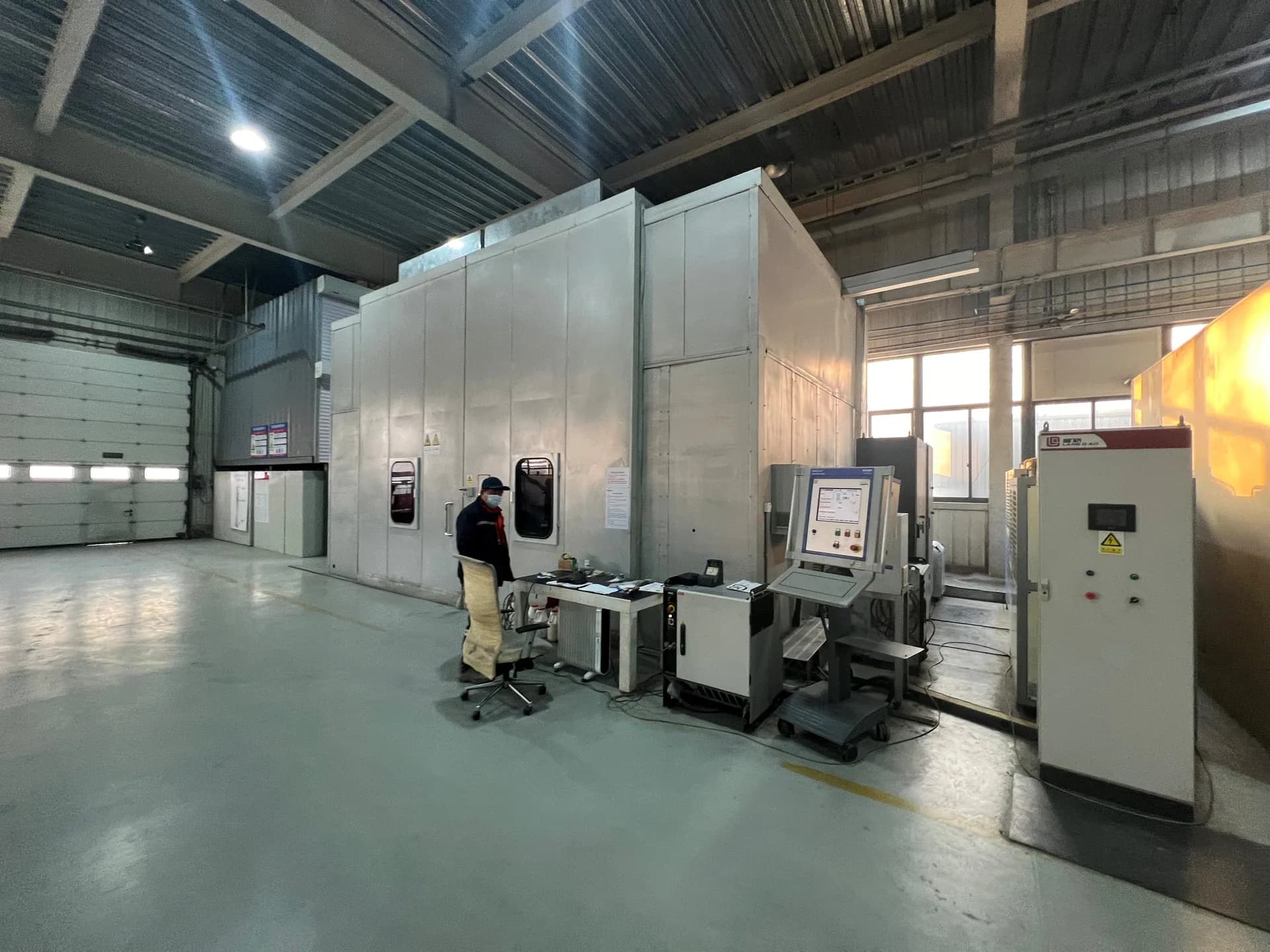
Coating is where mesh for electrochemical duty is won or lost. BVK's coating capability goes beyond applying a layer evenly.
Specifications
| If you need | The treatment is | Effect |
|---|---|---|
| A mesh that forms without cracking | Micro-structure annealing | Softens the material and relieves weaving stress |
| A part that holds its shape after forming | Work hardening | Compensates forming tensions in service |
| Lower contact resistance | Plating or conductive coating | Improves electrical pathway at the interface |
| More catalyst surface area | Modulated coating | Thickness and pattern tuned to the electrochemistry |
| A compressible elastic element | Corrugation, 4–10 mm | Herringbone, W or V profile at a chosen angle |
| A flat, dense layer | Flattening | Reduces thickness and raises contact area |
| A clean surface for bonding | Degreasing | Removes process residues before coating or assembly |
| A complex outline | Laser cutting or die cutting | Finished geometry without secondary operations |
Why in-house matters
When weaving and finishing sit in different companies, nobody owns the result. A coating problem becomes a weaving argument. BVK runs both, so the specification is one conversation.
Weaving, treatment and forming controlled by the same quality system.
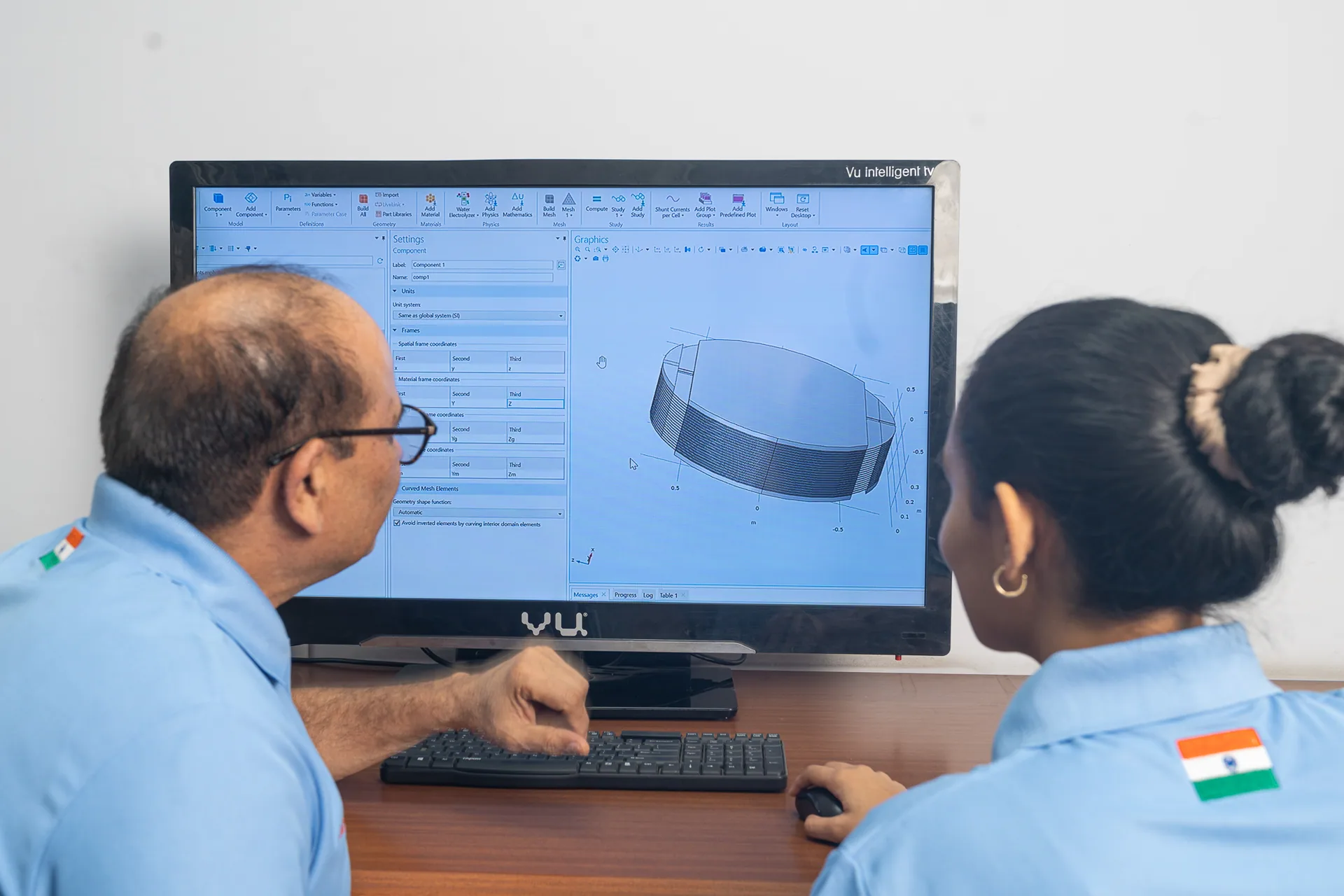
Prototype samples for dimensional and functional checks.
100% traceability across the process route.
Process and quality control plans guide production.
Sustainability
Woven and knitted mesh support electrolysers and fuel cells across the green hydrogen value chain. BVK also powers 50%+ of its energy needs through renewables, with a goal of becoming 100% self-reliant.

Let's build a cleaner tomorrow
Tell us the final form: the profile, the coating, the outline and the surface condition. Treatment is specified alongside the weave, not after it.
Certifications
The same management systems and compliance badges audited across every order: quality, environment, safety, energy and material conformity.
AS9100
CE Marking
DSIR Recognized R&D Centre
IATF 16949:2016
ISO 9001:2015
ISO 14001:2015
ISO 45001:2018
ISO 50001:2018
REACH Compliant
RoHS Compliant
AS9100
CE Marking
DSIR Recognized R&D Centre
IATF 16949:2016
ISO 9001:2015
ISO 14001:2015
ISO 45001:2018
ISO 50001:2018
REACH Compliant
RoHS Compliant
FAQ
Answers to the questions buyers and engineers ask most often about this part of our range.
B2B technical enquiry
Tell us about your application and our engineers will get back to you.