304, 316L, nickel, Hastelloy or titanium? A practical guide to matching a metal mesh alloy to chlorides, caustic, acids and temperature.
Corrosion is the most common reason a metal mesh fails early. The right alloy depends on what the mesh sees, at what temperature, and for how long.
Austenitic stainless steel: 304 and 316L
Grade 304 is the general-purpose choice for clean water, food and many mild process fluids. Grade 316 adds molybdenum, which improves resistance to chlorides and many acids. The low-carbon 316L variant is preferred where the mesh is welded, because it resists sensitisation near the weld.
Higher-alloyed stainless: 904L and beyond
Where 316L is borderline, grades such as 904L offer more resistance to sulphuric acid and chlorides, at higher cost.
Nickel and nickel alloys
Pure nickel grades such as Ni 201 and Ni 202 are strong choices for caustic service, which is why they are used in alkaline electrolysis. Nickel-chromium-molybdenum alloys such as Hastelloy C-22 handle a very wide range of aggressive media, including oxidising and reducing conditions.
Titanium
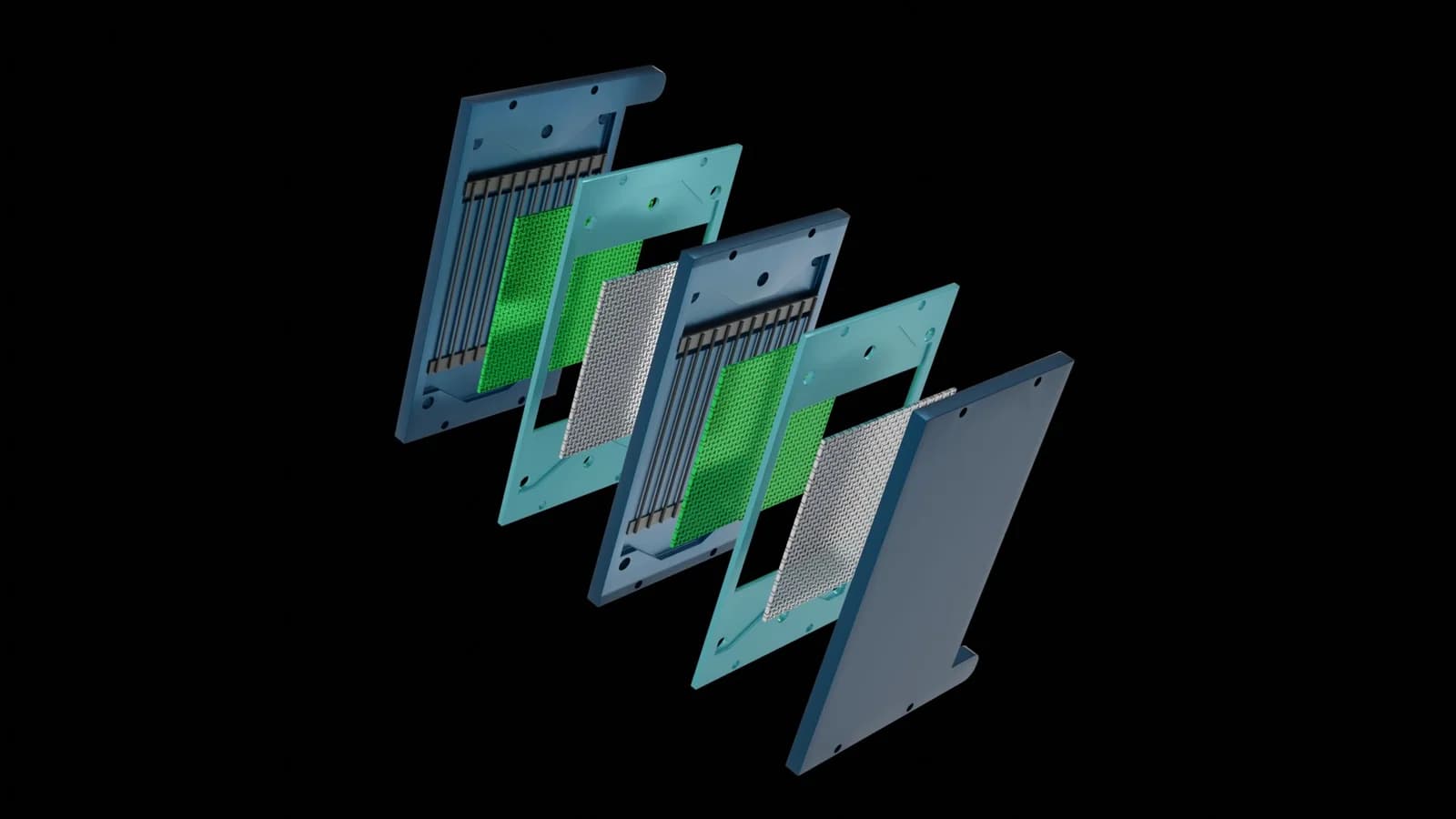
Titanium forms a stable oxide film and resists chlorides, seawater and many oxidising acids. It is also light. It is the usual material for porous transport layers and current collectors in PEM electrolysers.
A quick selection guide
| Service |
Alloys to consider |
| Clean water, food, mild chemicals |
304, 316L |
| Chlorides, brine, marine |
316L, 904L, titanium |
| Caustic and alkaline electrolyte |
Nickel 201 / 202 |
| Aggressive mixed chemistry |
Hastelloy C-22 and similar |
| Acidic electrolyte, PEM cell |
Titanium |
Treat the table as a starting point. Temperature, concentration, impurities and flow all change the real answer, so confirm against the application.
Remember the whole component
The mesh, the frame, the welds and the housing should be compatible with each other as well as with the fluid. A corrosion-proof mesh in a corroding frame is still a failed filter. See our precision mesh range for the materials we work in.