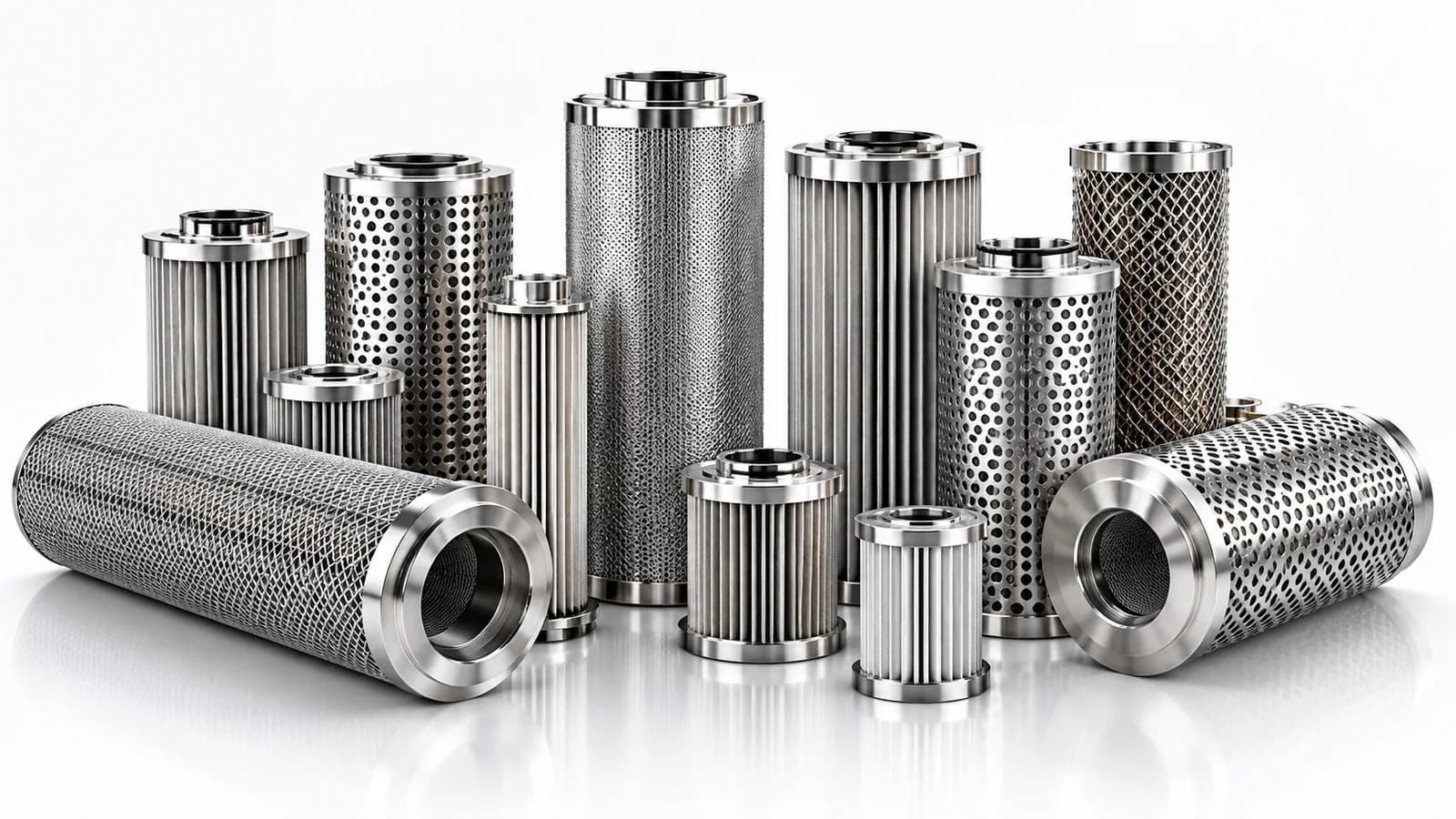
Metal filter mesh looks simple until the first project goes wrong. A mesh that retains the right particle size can still blind within a week, corrode in the process fluid or collapse under differential pressure. Choosing well means starting from the duty, not from a catalogue number.
Start with the six process inputs
Every reliable selection comes back to the same six questions.
- Fluid type. Liquid, gas or slurry changes the weave, the wire and the construction of the element around it.
- Particle size and load. What must be retained, how much of it arrives, and whether it is hard, soft or fibrous.
- Operating conditions. Pressure, temperature, flow rate and whether any of them cycle.
- Material compatibility. Chemical attack, chlorides, caustic or acid, and the temperature at which they act.
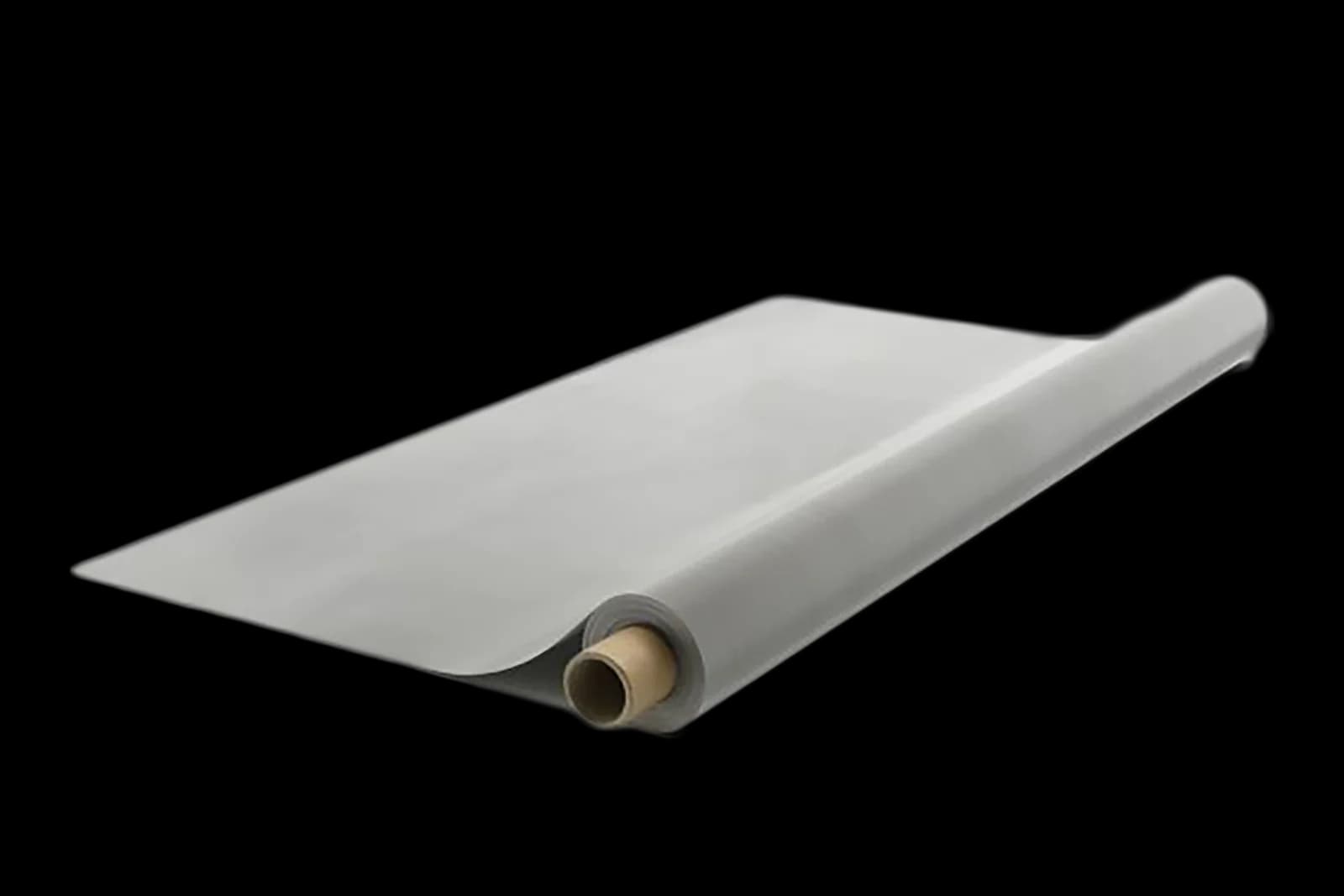
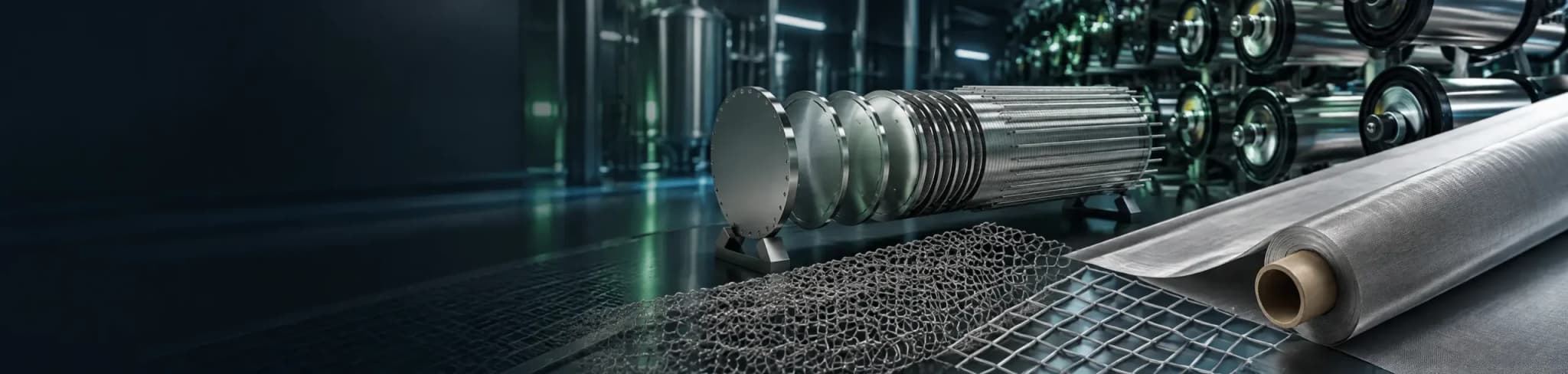
- Required form. Sheet, roll, disc, tube, cartridge or a formed component fixes how the mesh is cut, joined and supported.
- Service environment. Cleaning method, maintenance interval and how long the element is expected to run between changes.
Match the mesh construction to the job
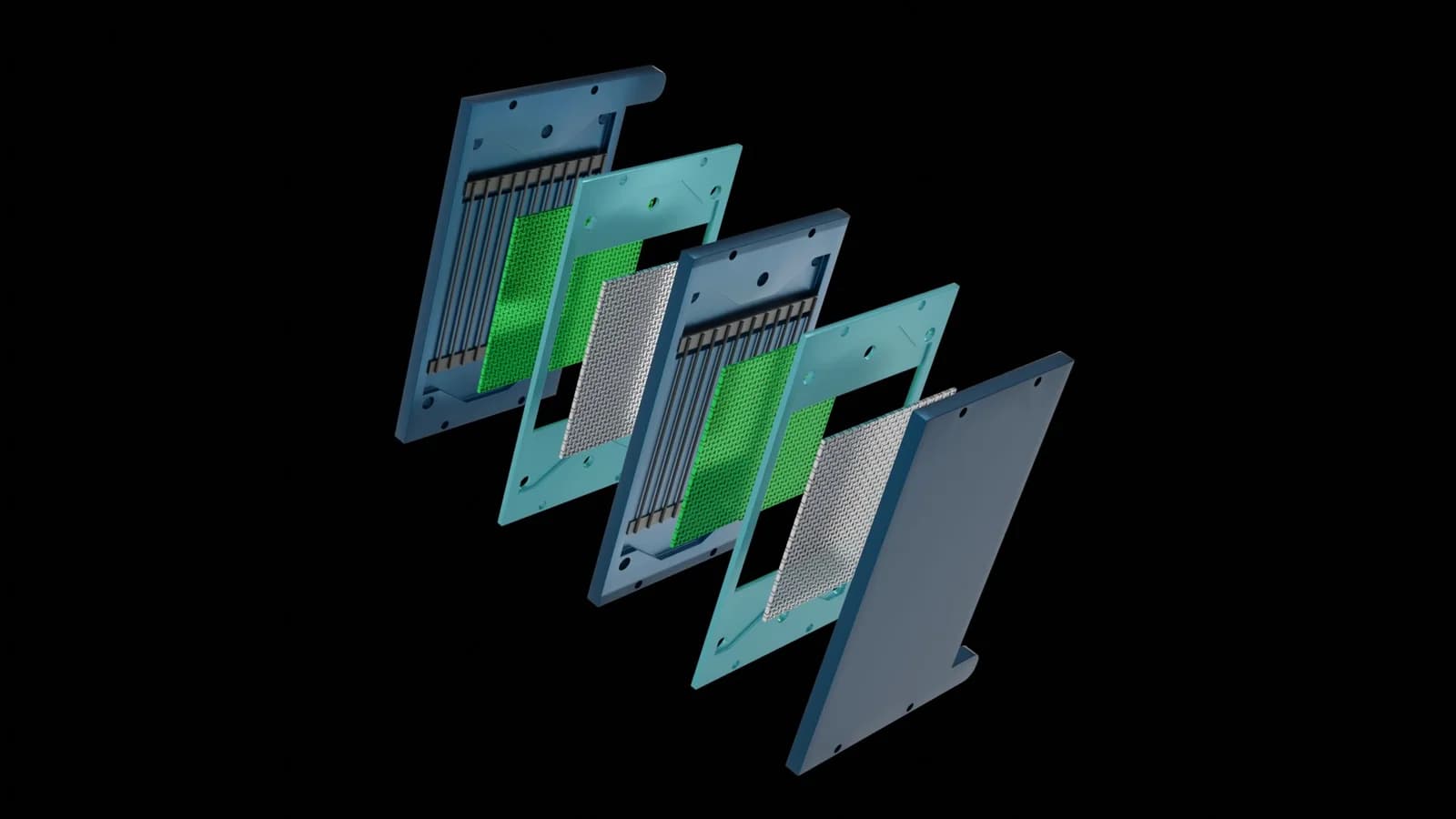
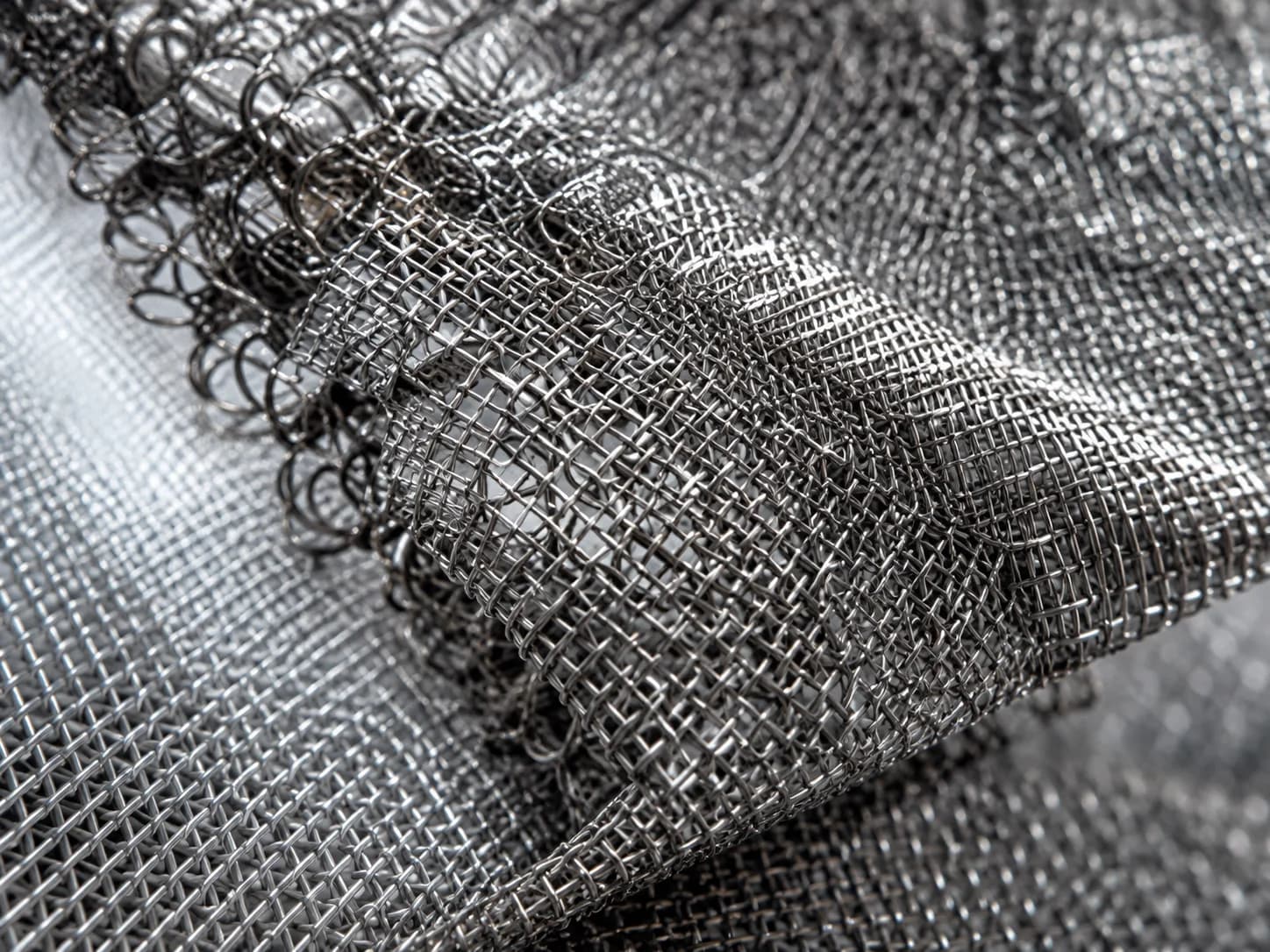
Woven mesh gives a stable, repeatable opening and suits rated filtration, screening and electrode support. Knitted mesh is flexible and compressible, which suits gas-liquid separation and elastic elements. If you are unsure which route fits, read our guide to woven versus knitted metal mesh.